Stories From The Road: Ground Control and Kingsley History Project
By Activate Rural Program Director Sarina Otaibi and Associate Director Courtney Bergey Swanson
Monday, July 13, 2026
We hopped off the plane in Rapid City and immediately started driving south to Pine Ridge, our first Learning Lab site visit. As we entered the Oglala Lakota Nation, we were awestruck by the landscape of the badlands. The sky was blue and expansive, the air was hot and thick (over 100 degrees!), and the jagged, rocky formations of the land seemed equal parts magical and menacing.
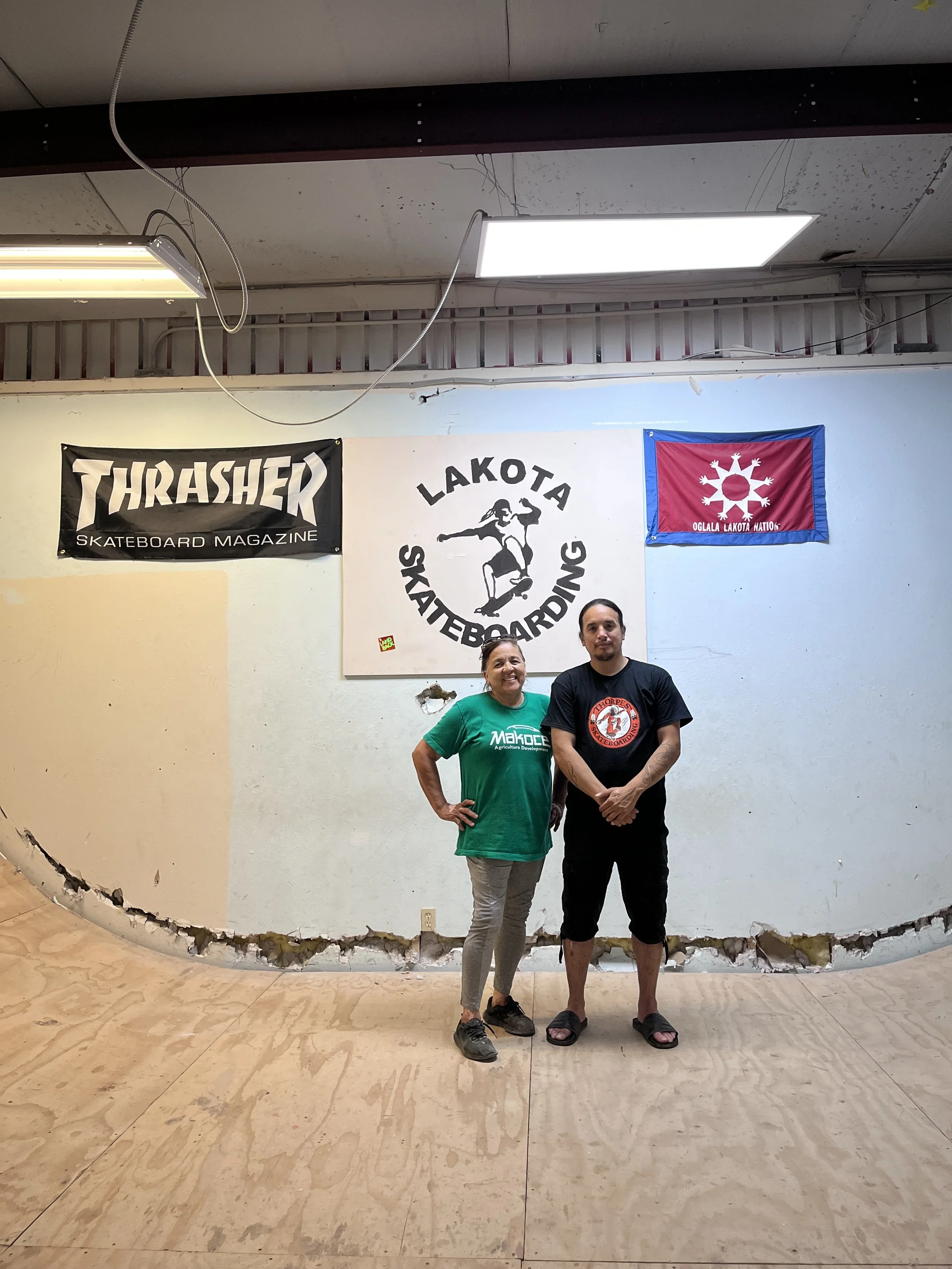
Pulling up to Ground Control, a Native-led skatepark on the Pine Ridge Reservation, we immediately knew we were in the right place. Art covered nearly every surface, including a proud “Lakota Skateboarding” graffiti mural on the exterior walls and a cheeky caricature on the old fuel tanks next to the building. A collection of stickers plastered the entrance door, and we walked inside to see a throne made of old skateboard decks. We were greeted by Suzy Mesteth, who was braiding her son Kyle’s hair as they told us about a recent concert held in the space. They shared ideas for remodeling a corner of the building with a kitchen, showed us around their garden, and led us through stacks of donated boards, desks, equipment, and materials.
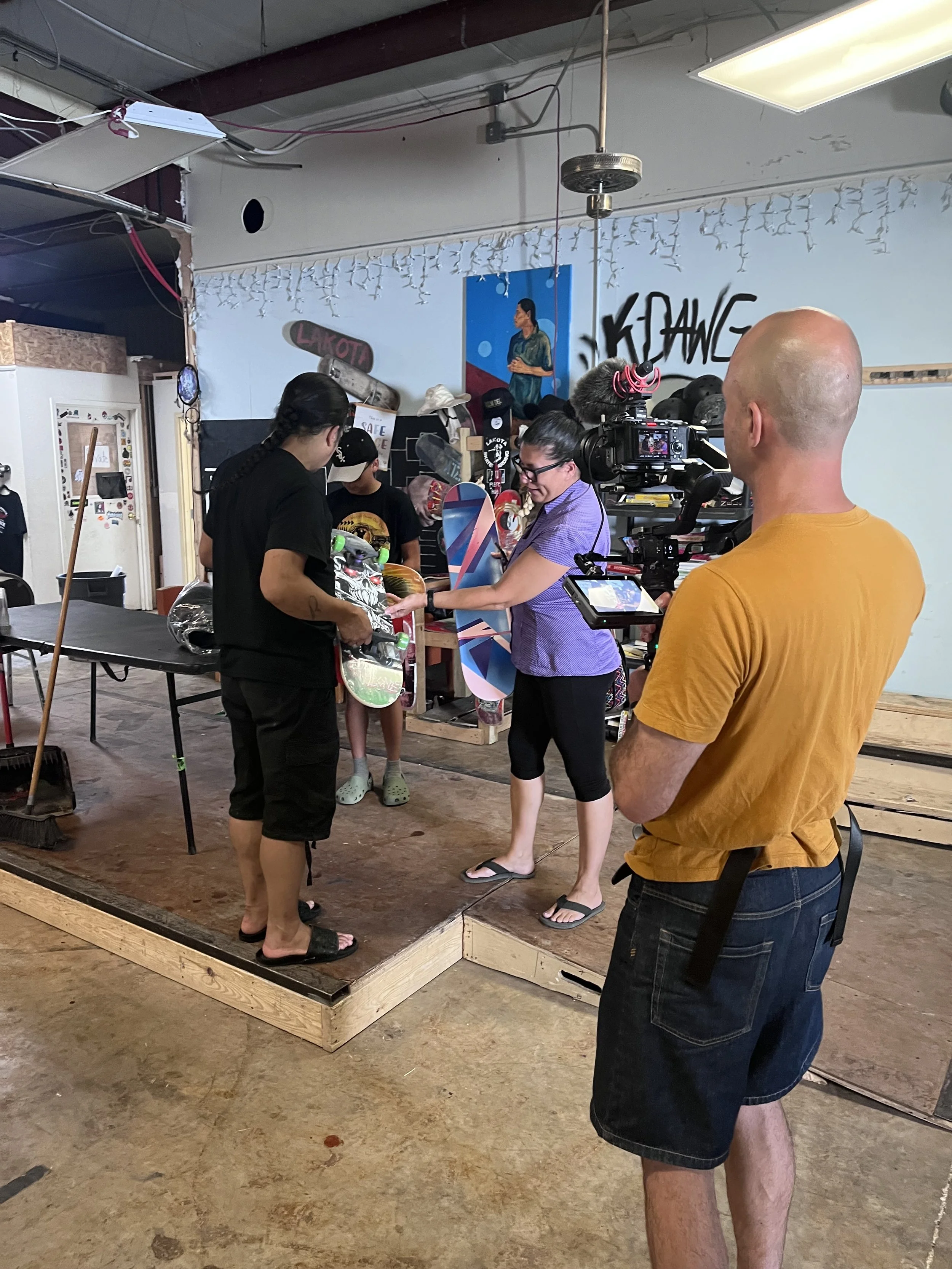
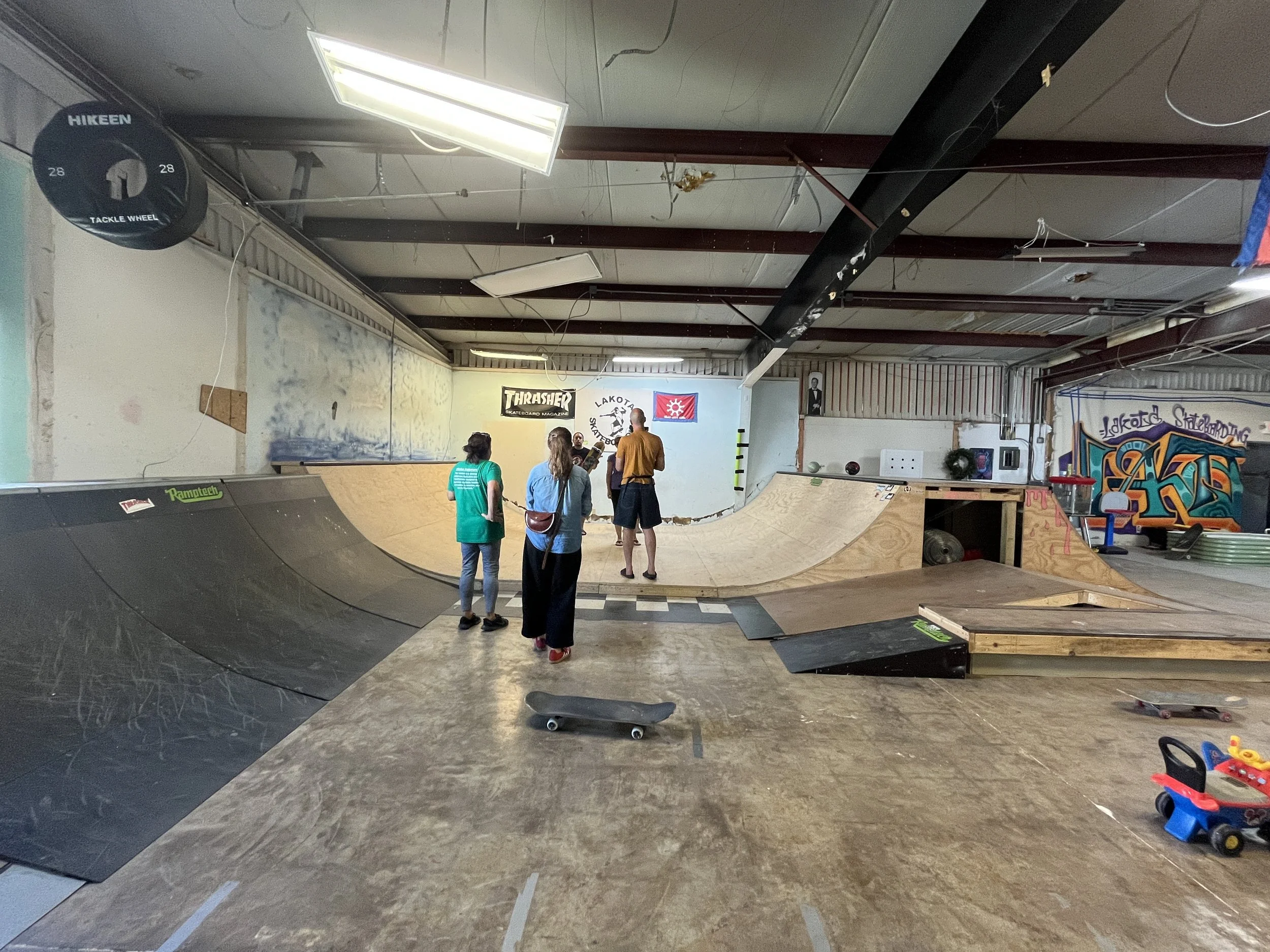
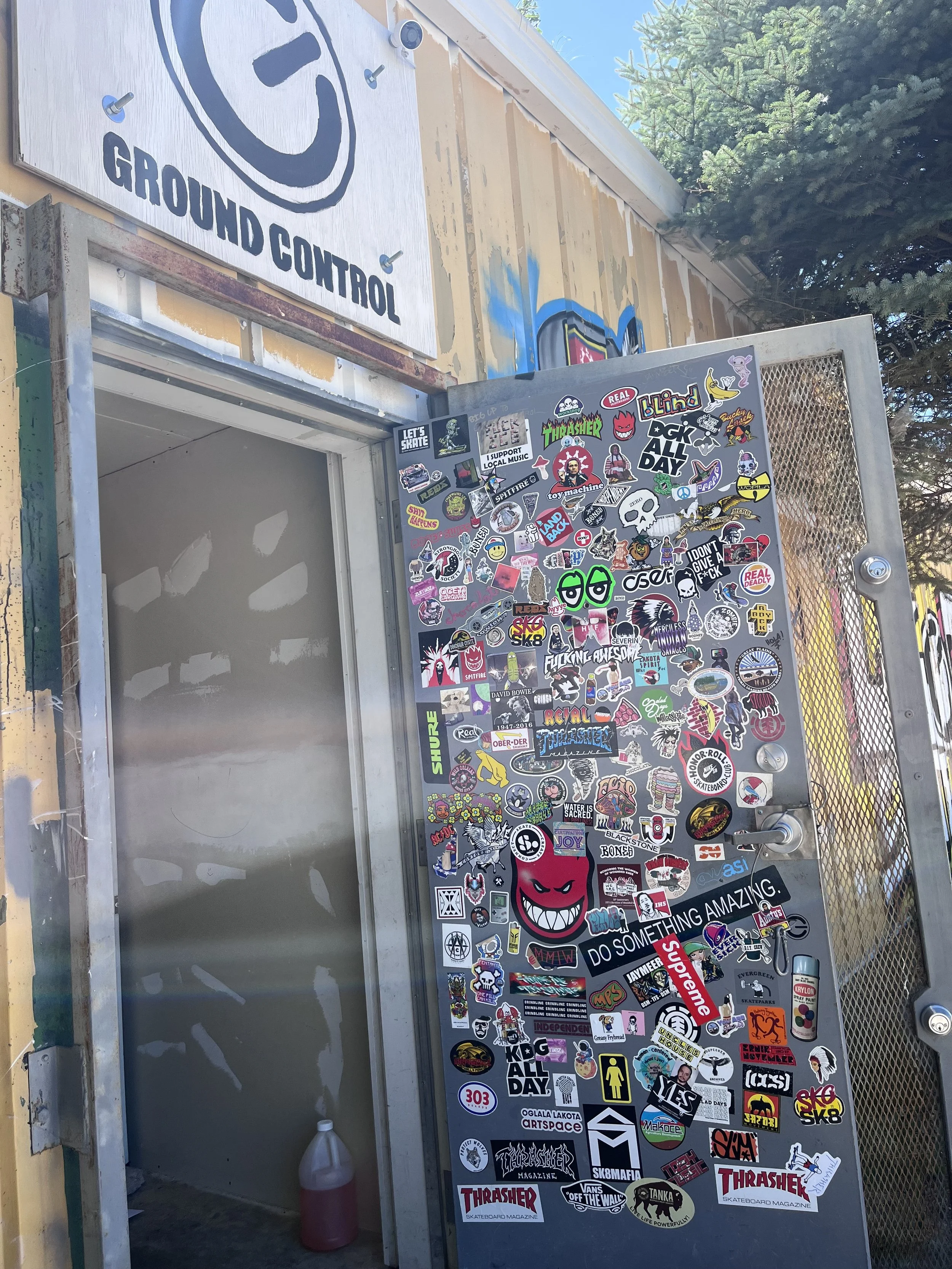
In the few short hours we were there, the door was constantly revolving with people: a videographer filming a documentary about Kyle, a family from Chicago who had traveled there to hand-deliver a donation of skateboards, fellow Lakota neighbors with their nieces and nephews and children in tow, and local elders checking in. It was beautiful to witness Ground Control’s connections on global, national, regional, and local scales, and hear their dreams for deepening those connections as they build capacity and renovate their space.
To learn more about Ground Control, visit https://www.lakotafuture.org/. And don’t forget to follow them on social media!
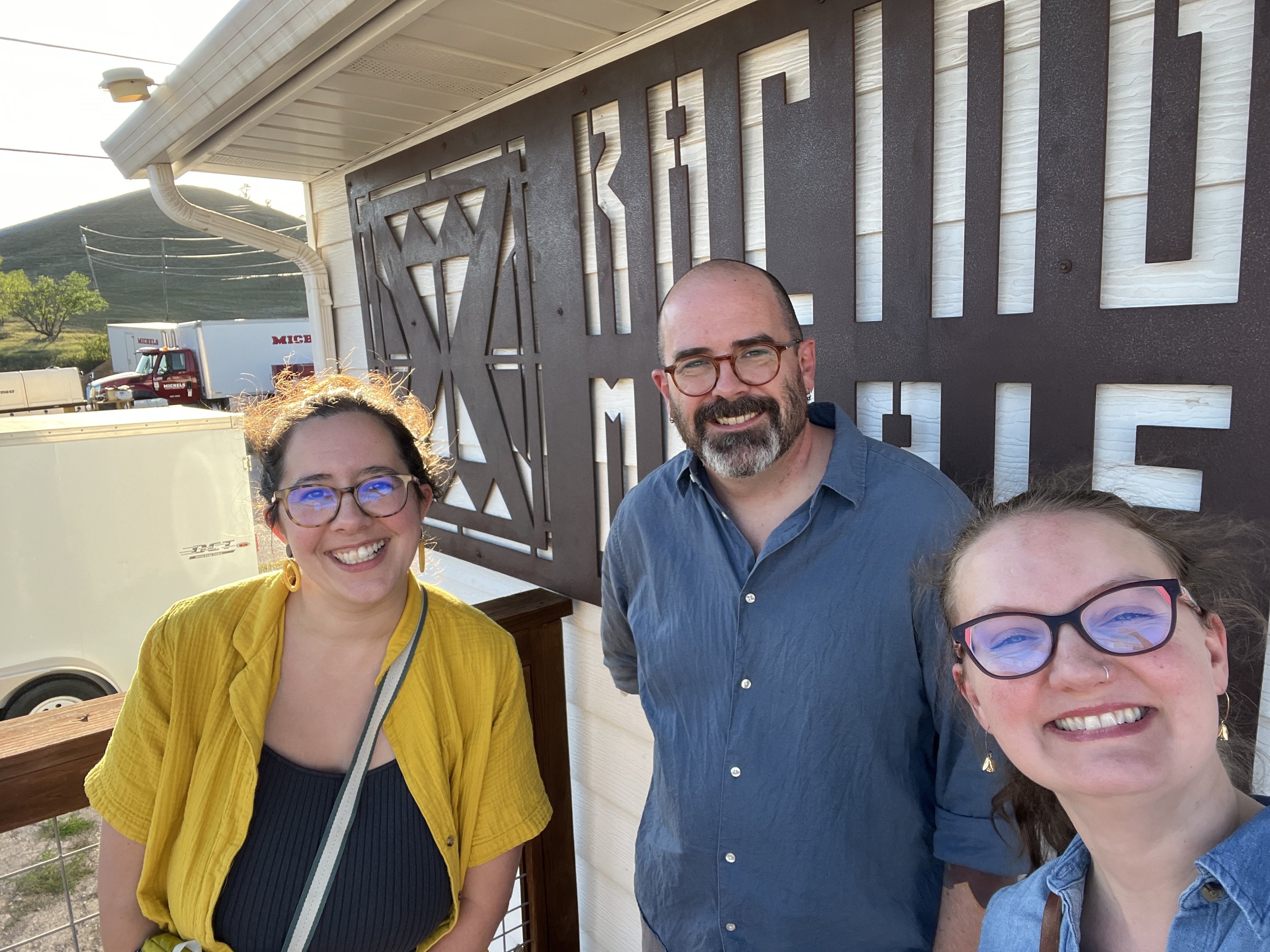
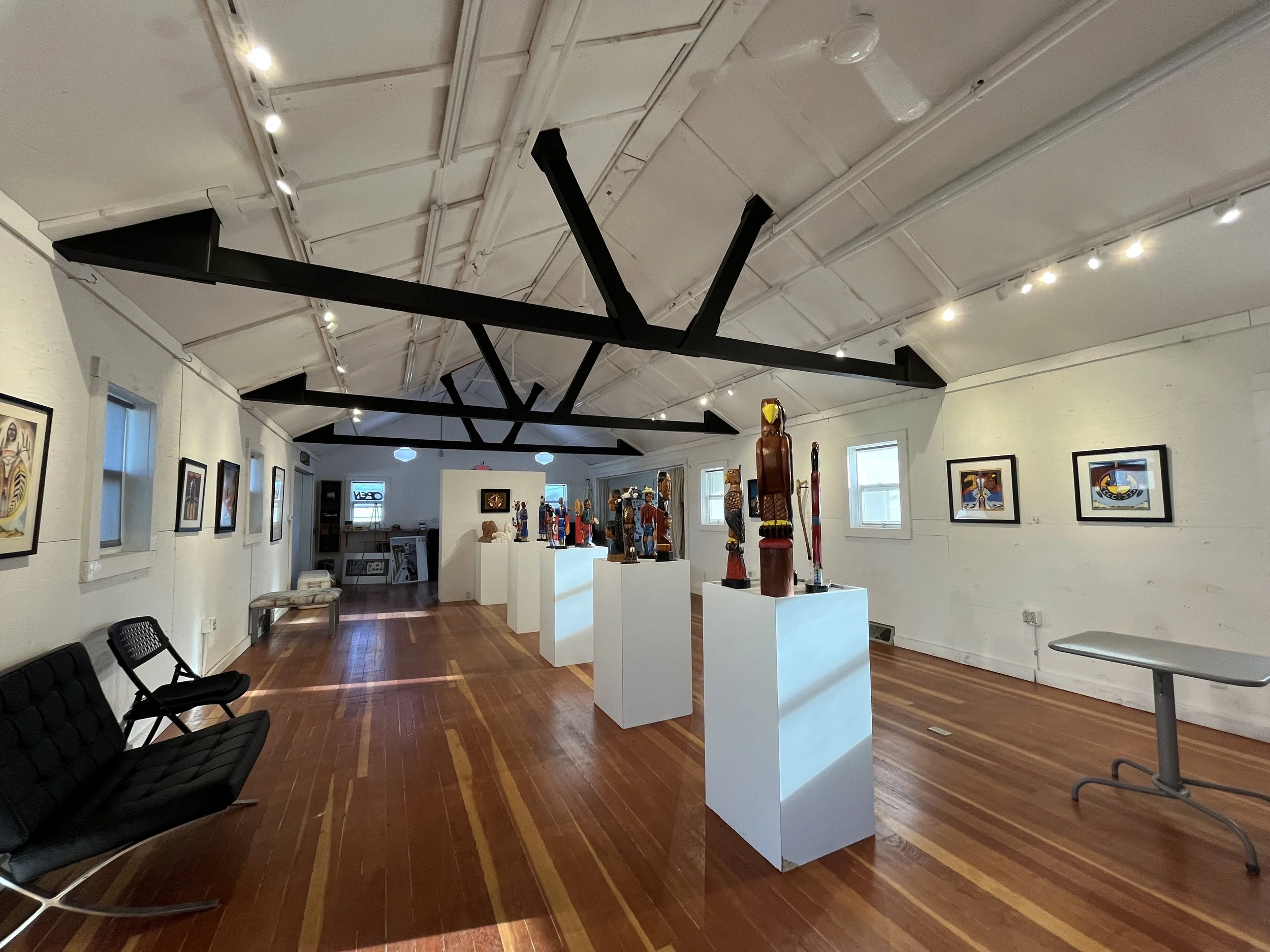
After traveling back to Rapid City, we saw our friends and Activate Rural partners at Racing Magpie before getting back on the road heading northwest towards Montana.
Tuesday, July 14, 2026
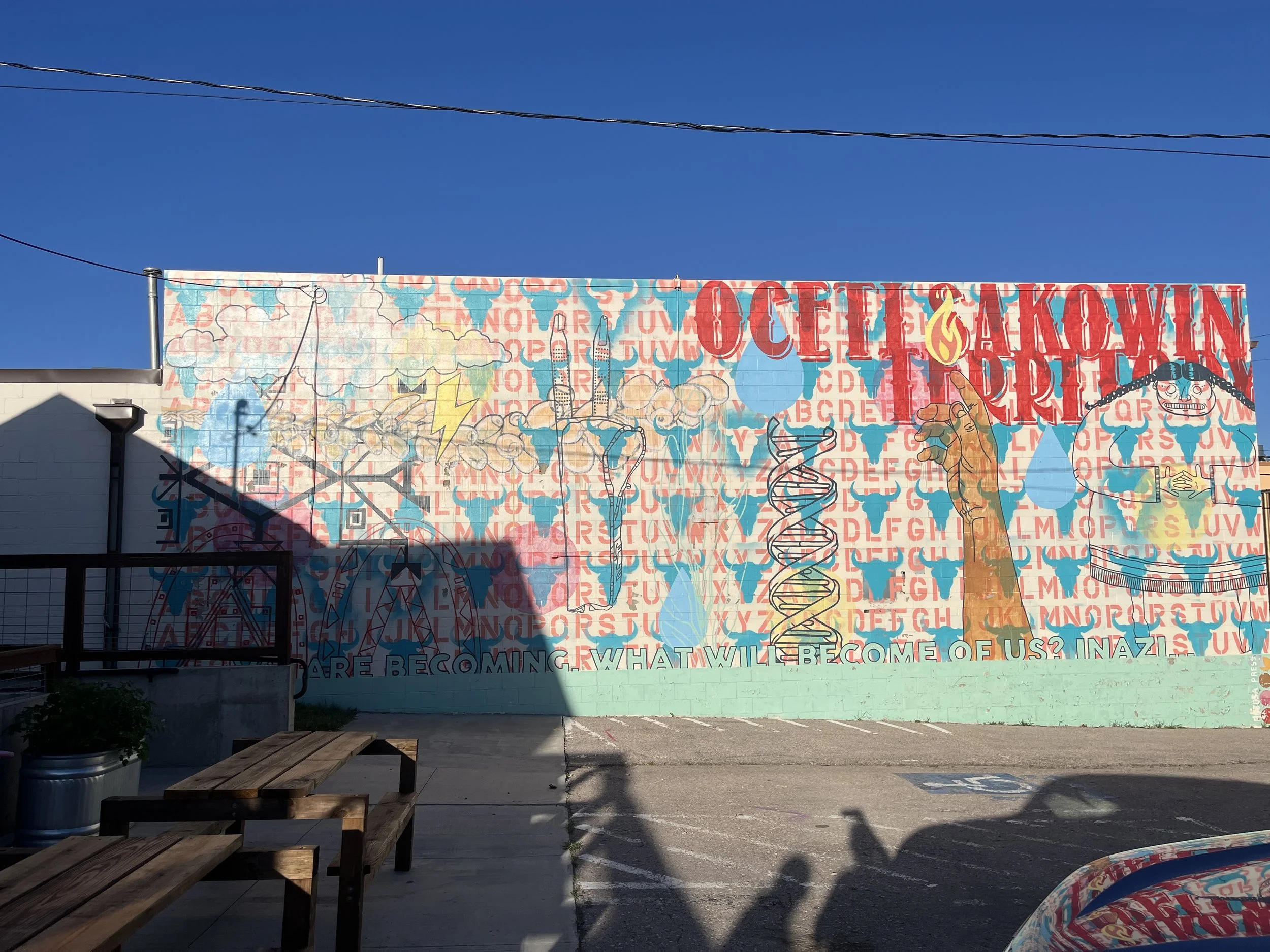
We drove 150 miles to Broadus, Montana, with each mile bringing us further from the tourist destinations of the Black Hills and deeper into the remote ranchlands of southeast Montana. The air was still hot, but we couldn’t wait to get out of the rental car and explore the town. Our first stop was the Broadus Cornerstore, the gas station and convenience store that doubles as a history museum, cultural heritage exchange, and public art site. We were greeted by sisters Julie Riley and Jackie Slovak, whose family own the store and started the nonprofit Kingsley History Project.
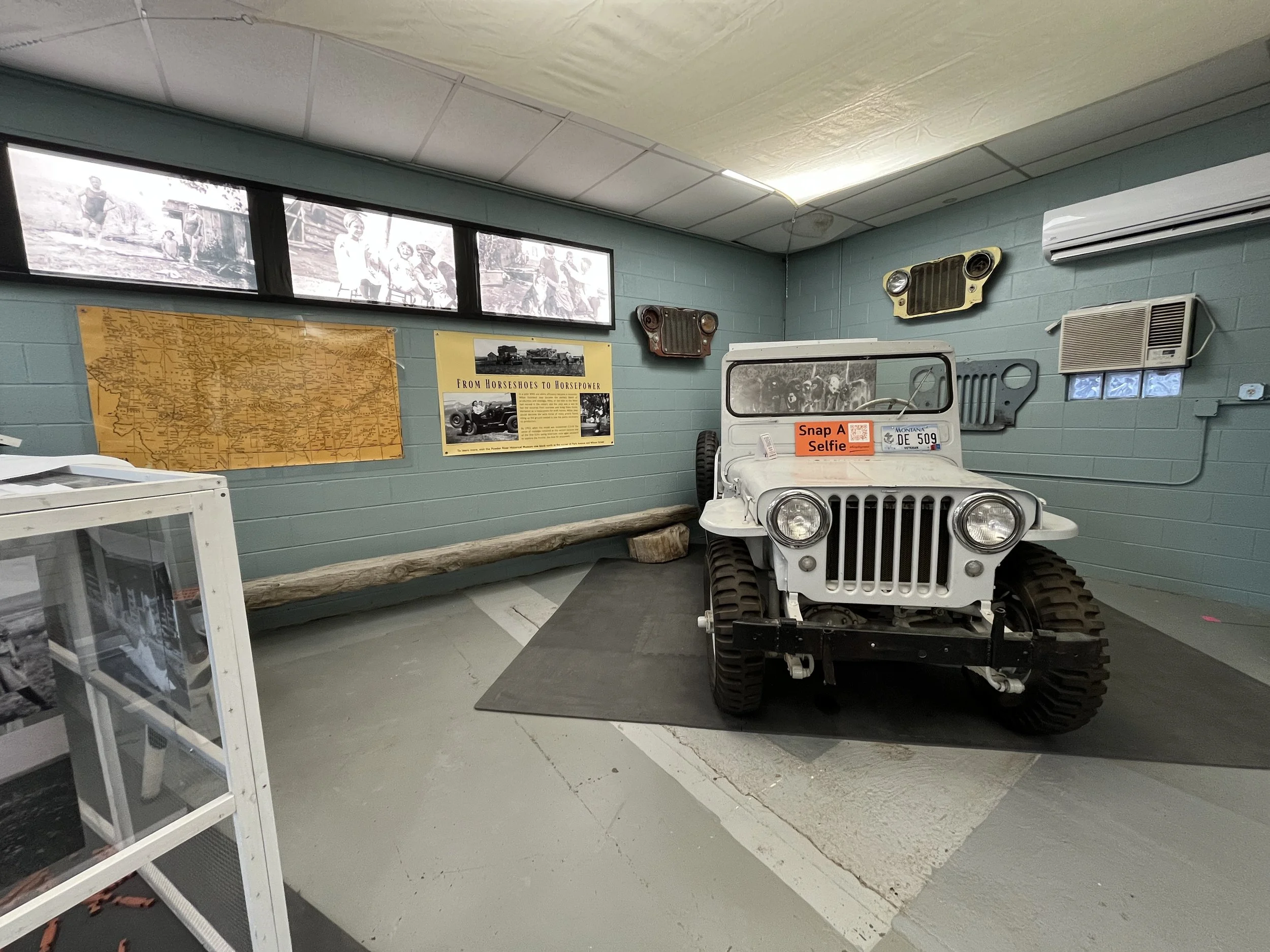
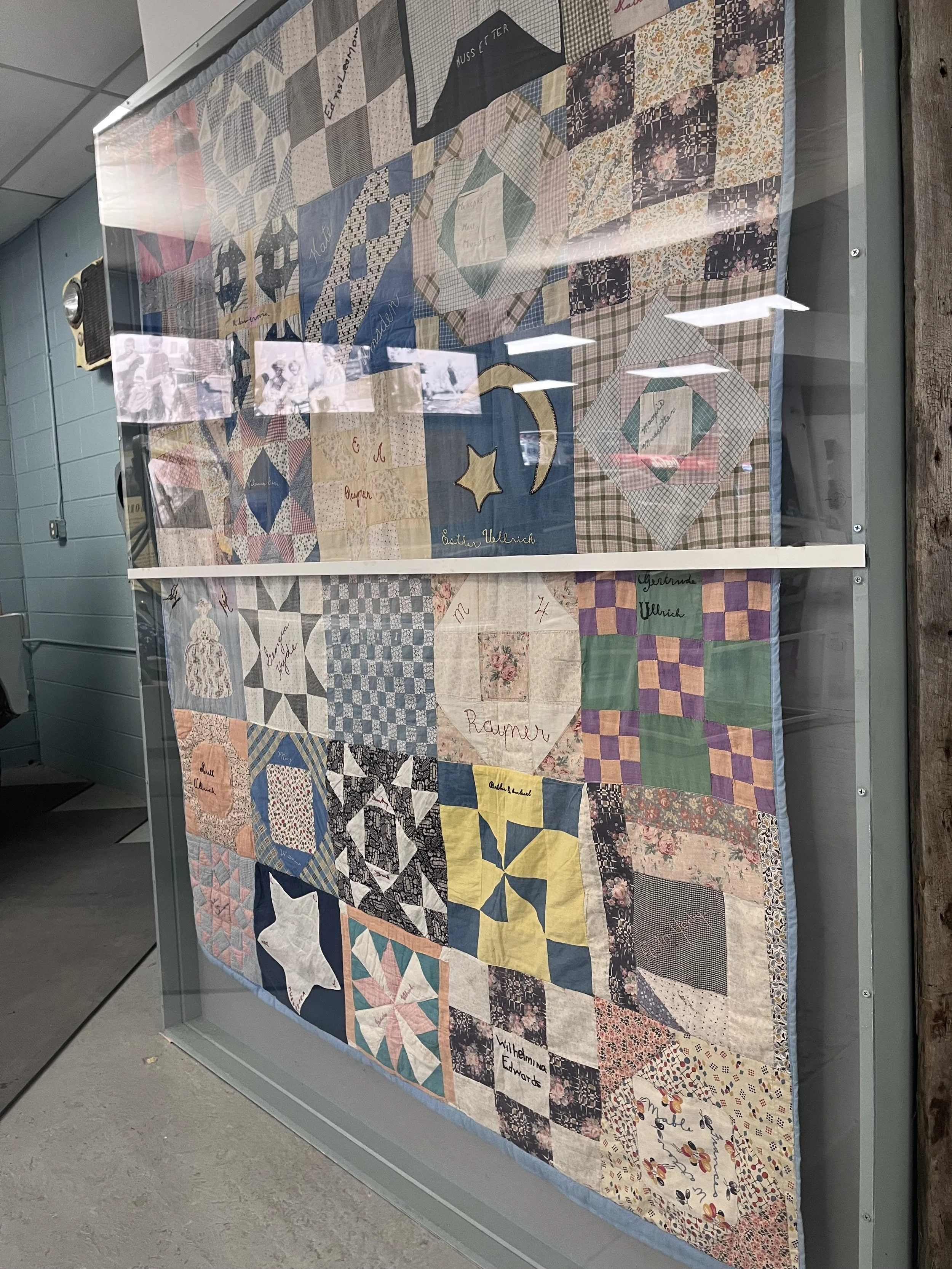
Together with their artist partners Miah Chalfant (Northern Cheyenne) and Shawnee Real Bird (Crow), the Kingsley History Project team showed us inside the store, walking us past the Gatorade and candy bars to find an exhibition space featuring a WWII Jeep (we learned that they were commonly used as ranch trucks after the war) and a hand-stitched friendship quilt made by a group of homesteading women centuries before.
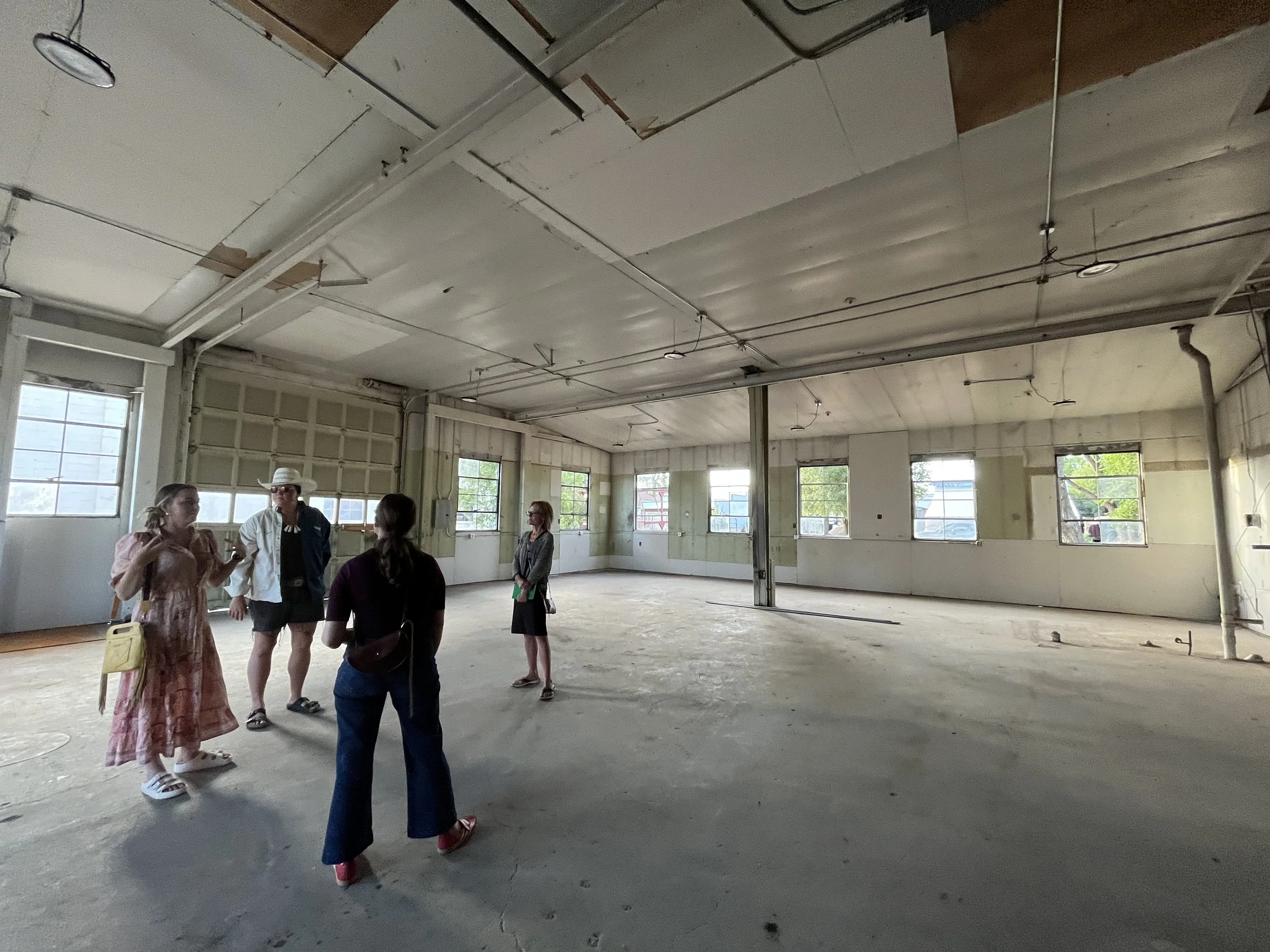
We walked through the grounds surrounding the store, touring a former auto body shop on the property that will become a community arts hub and event space. We imagined gatherings and performances in the connecting courtyard, and finally arrived at Miah’s mural “Páeo’hé’e, The Good Hunting Grounds” on the west side of the Cornerstore. Miah gave us an artist talk describing all the details of significance within her mural, an interpretation of Native ledger art:
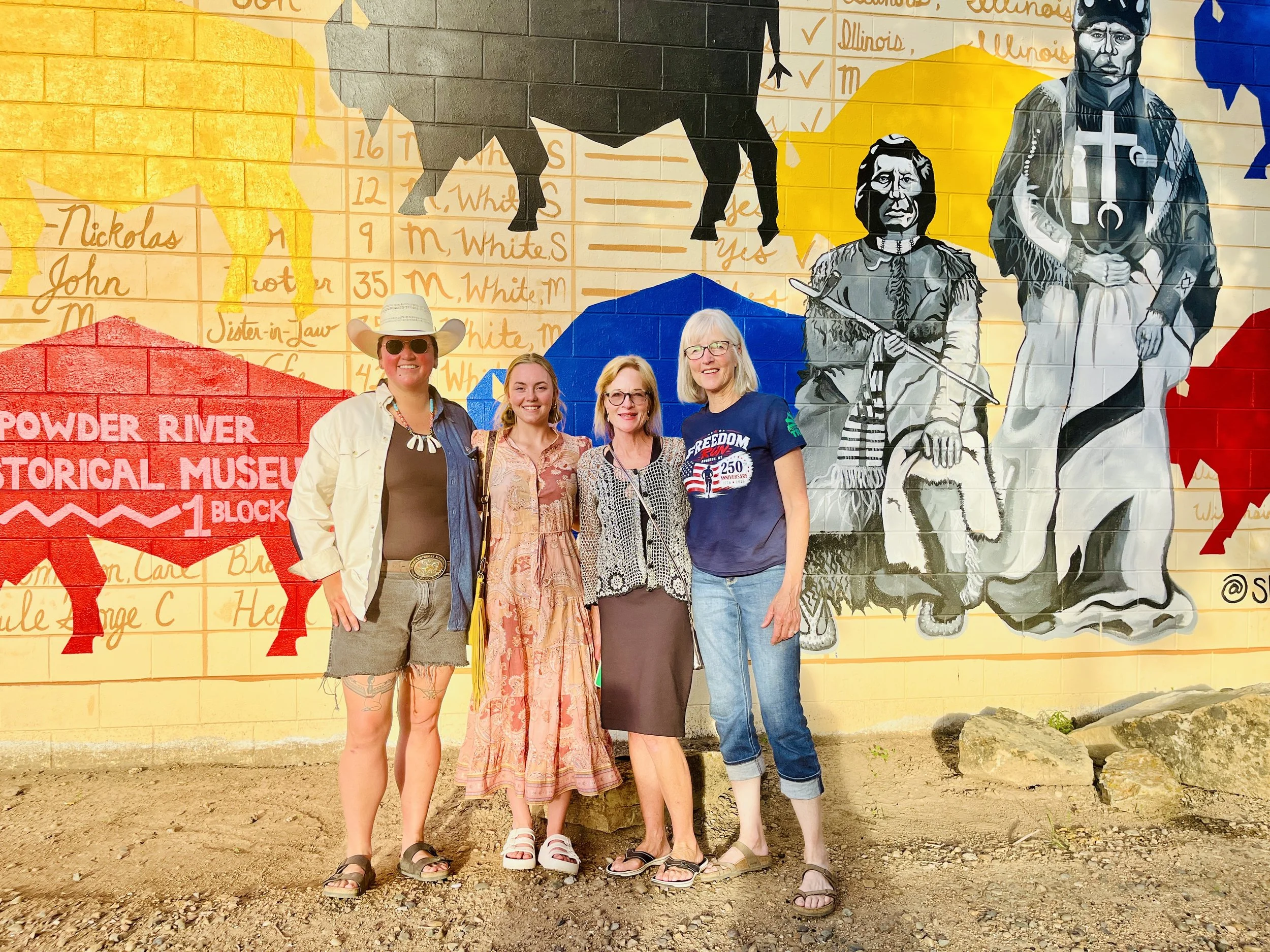
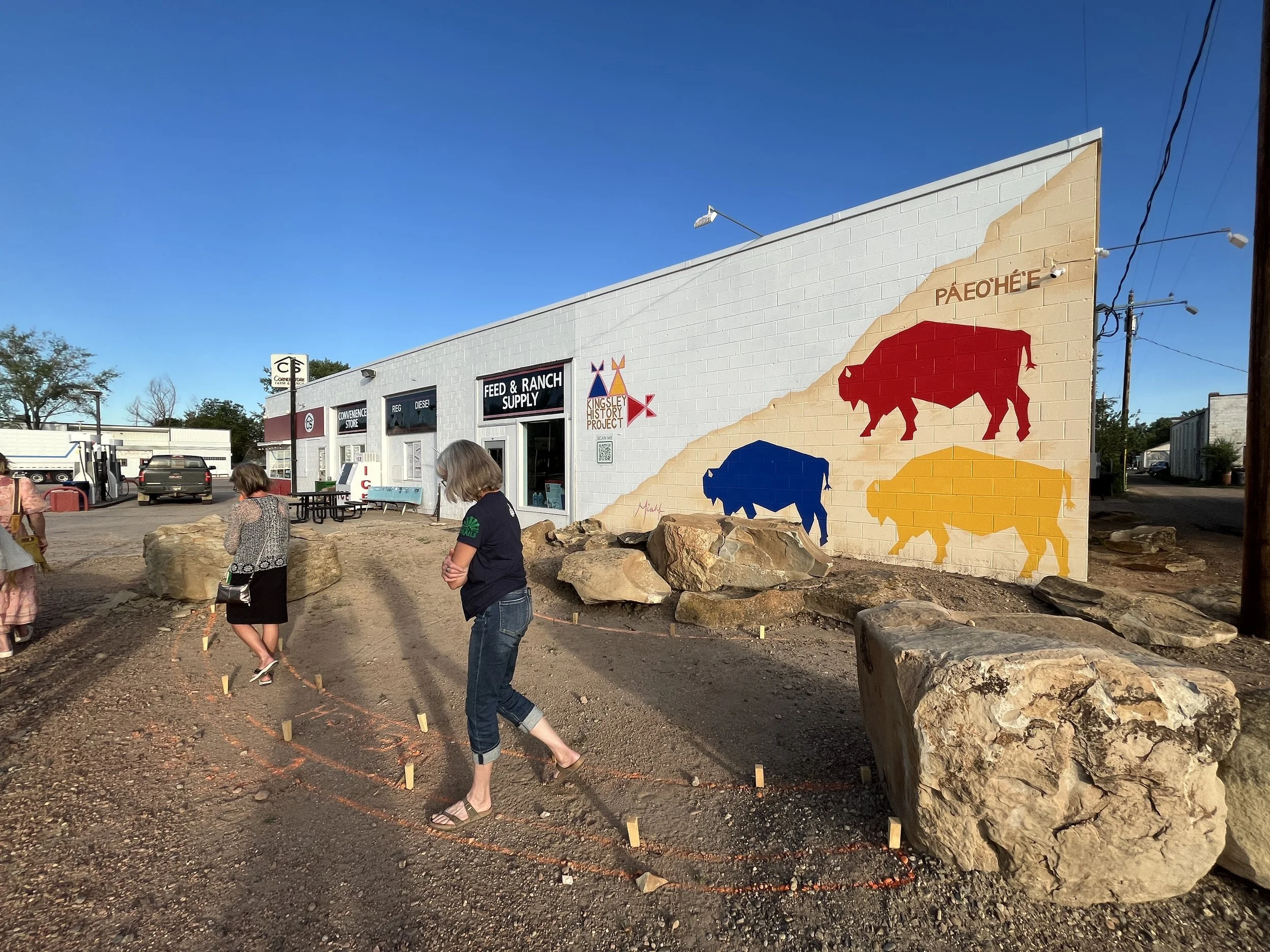
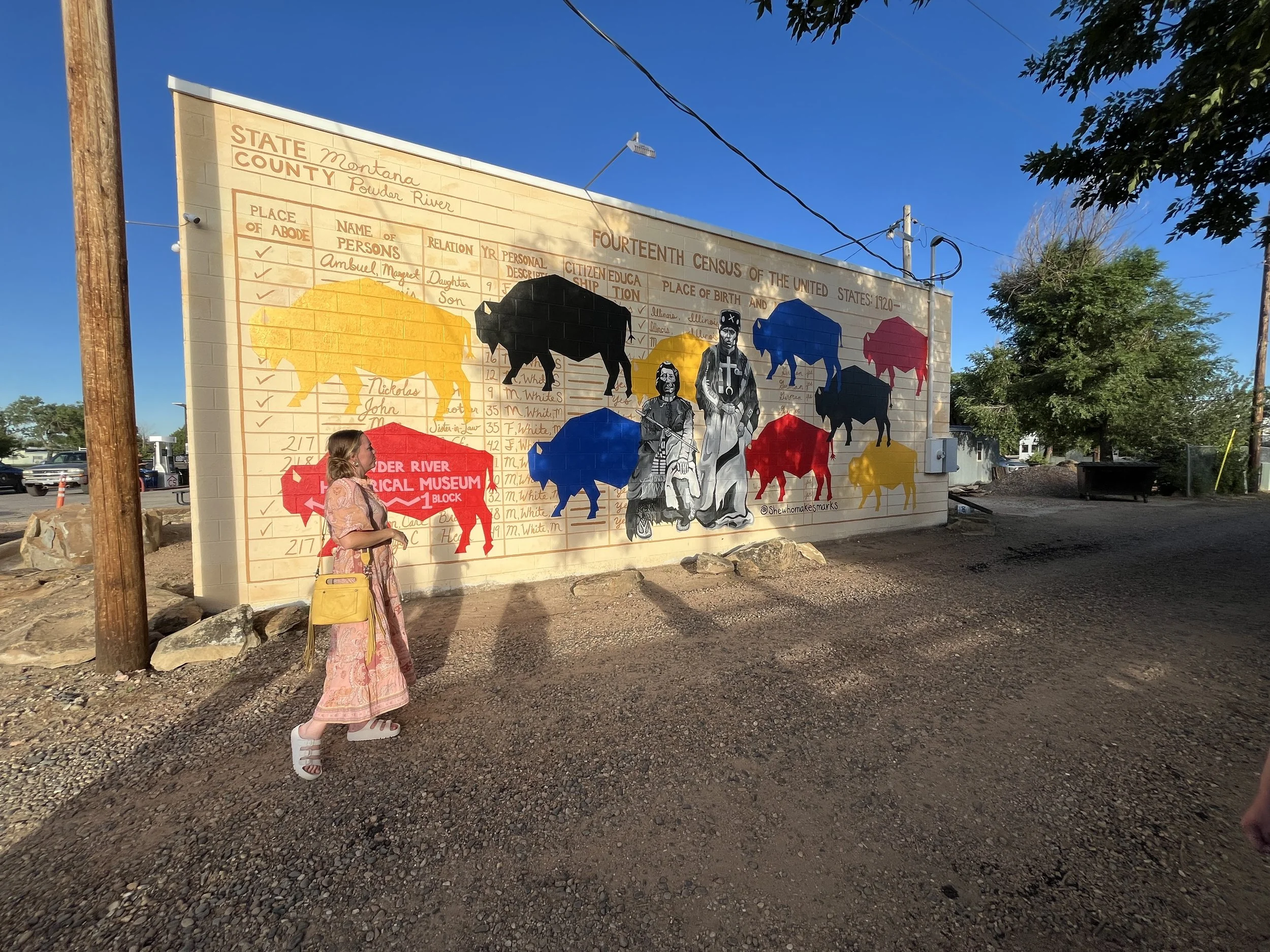
“In the background, a Census page pays homage to some of the first families who lived in the area. The bison represent the great herds of wild game that once roamed here, each painted in a color sacred to the Northern Cheyenne, symbolizing the cycles of life. At the center stand two Cheyenne leaders — Chief Little Wolf and Chief Dull Knife — who led their people back to their homelands from imprisonment at Fort Robinson.”
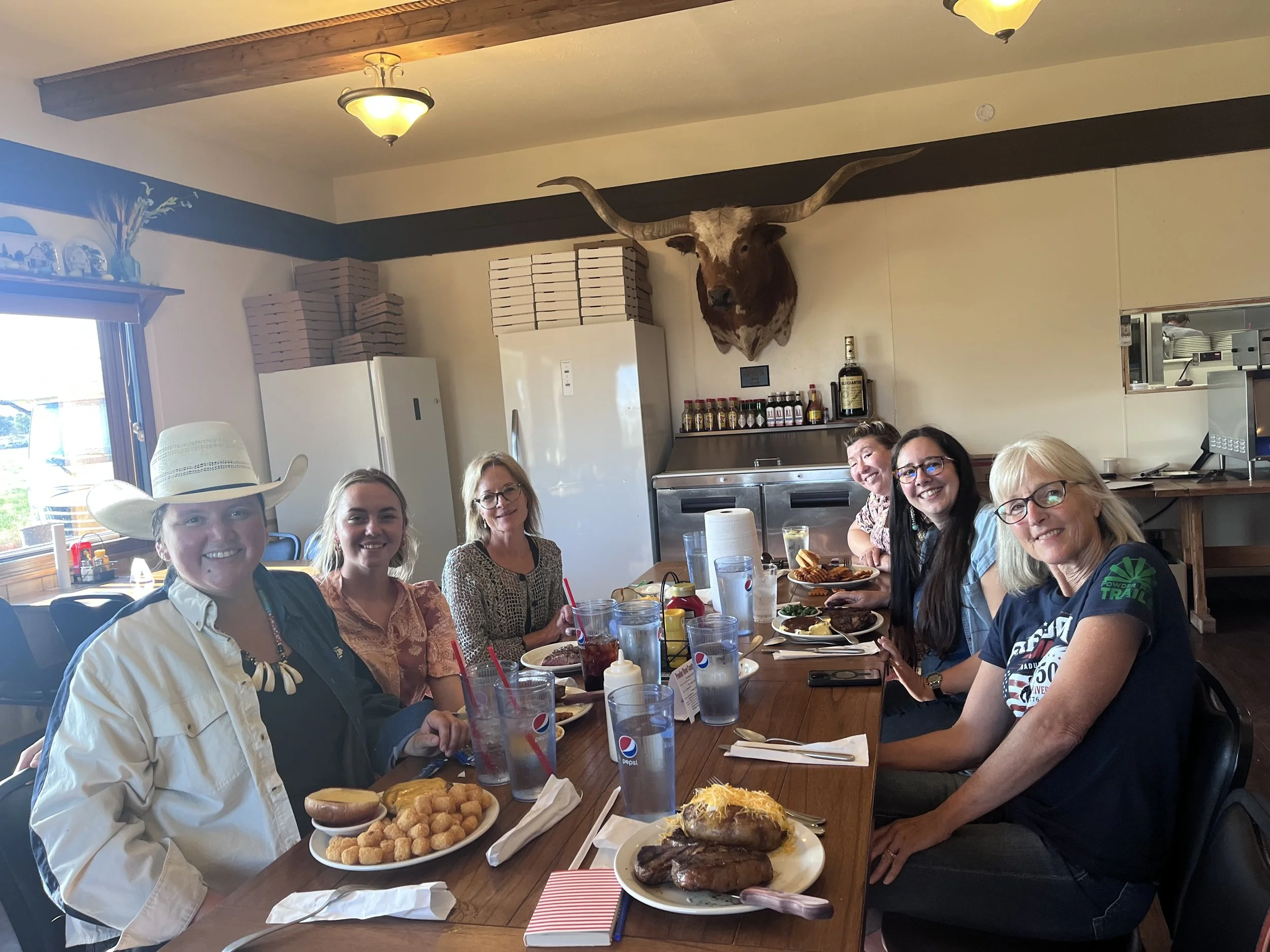
We learned that no trip to Broadus, Montana, would be complete without dinner at the Stockman’s Club, and we loved seeing the other wayfinding artwork and placemaking initiatives happening in town.
To learn more about the Kingsley History Project and their work at the Broadus CornerStore, visit https://www.kingsleymontana.org/
Thank you to our hosts and partners for taking the time to show us your beloved places.
Department of Public Transformation (DoPT) believes in working with artists, cultural workers, and connectors to strengthen rural places by supporting the role of community assets—social, cultural, and built—as a lens to help communities investigate and celebrate their collective story: past, present, and future. Activate Rural supports third places, creative space use, and building activation projects—art galleries and cultural centers, creative coffee shops and taprooms, theaters, artist studios, performance and event venues, multi-use creative places, and more—that inspire, motivate, and open up possibilities for rural communities.