
By Activate Rural Program Director Sarina Otaibi and Associate Director Courtney Bergey Swanson
Friday, October 3, 2026:
We aren’t looking for sympathy here, but this Montana site visit trip started with a sunny day’s drive through Glacier National Park during the season of fall colors. We had to pull over on our way to Cut Bank, MT, to take a selfie and stand in awe of the mountains and the trees.
We arrived in Cut Bank in the late afternoon, and as we drove down Main Street, we immediately noticed the purple. Every person on the sidewalk was wearing purple, every storefront was covered in purple decorations, and there was even a minivan on a street corner that was fully painted purple. Just as we began to scratch our heads we drove past the football field and realized it was Cut Bank High School’s homecoming! Seeing the community spirit so visibly on display was a delightful way to be introduced to Cut Bank.
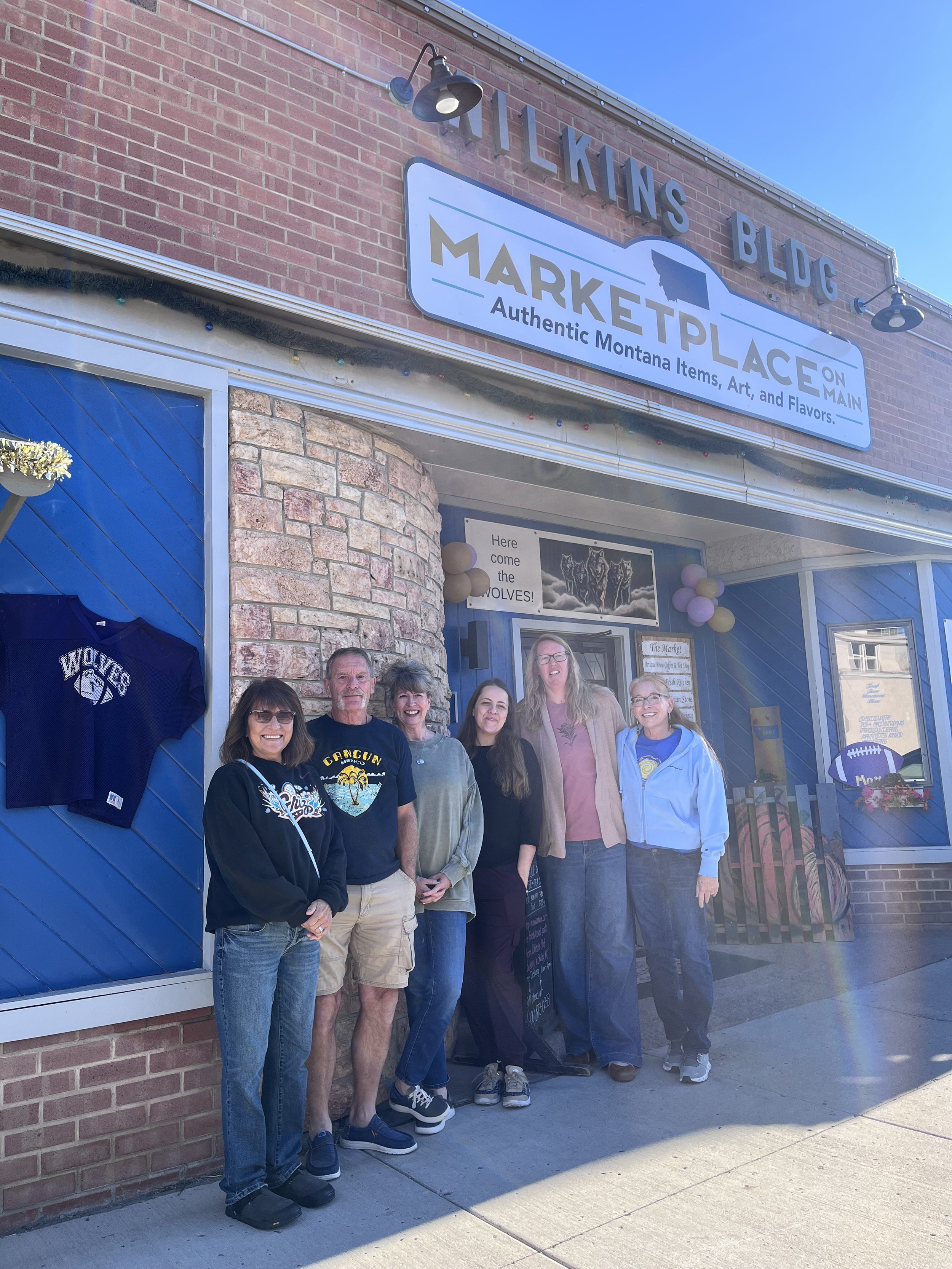
Cultivate Cut Bank is activating a 1940s commercial building and surrounding public space to connect their community through experiences that inspire belonging and shared understanding, while also celebrating local identity, culture, history, and traditions.
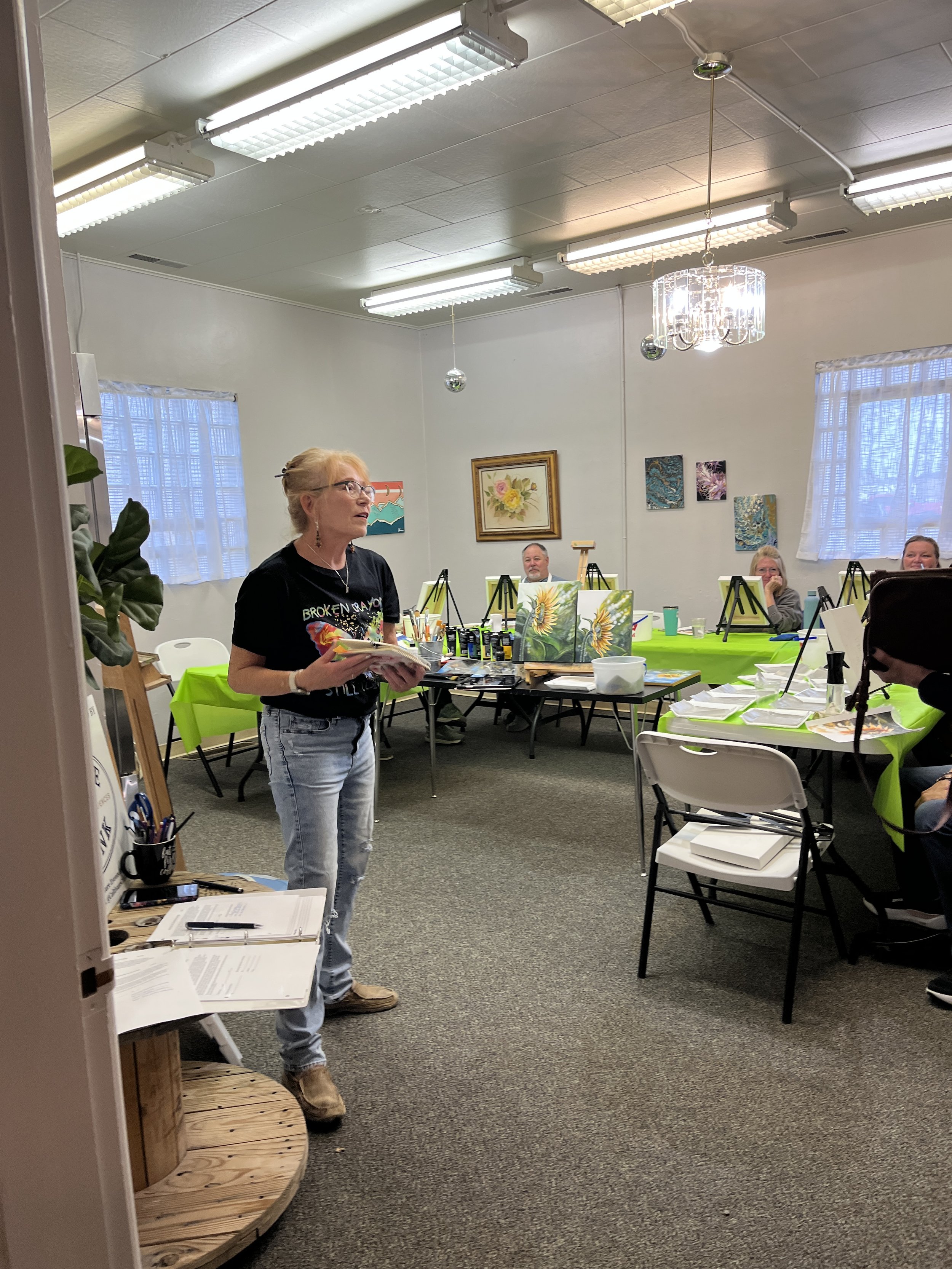
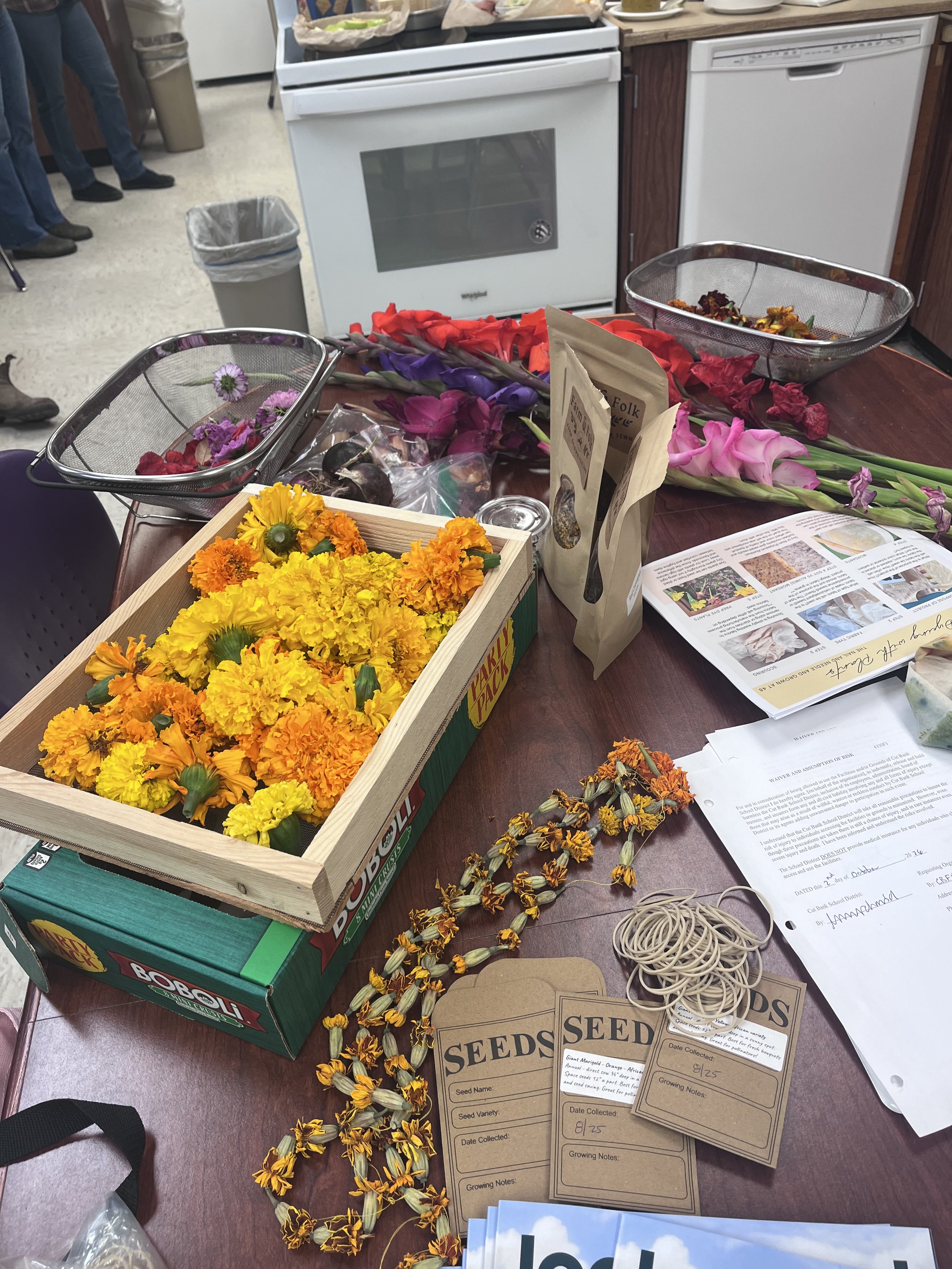
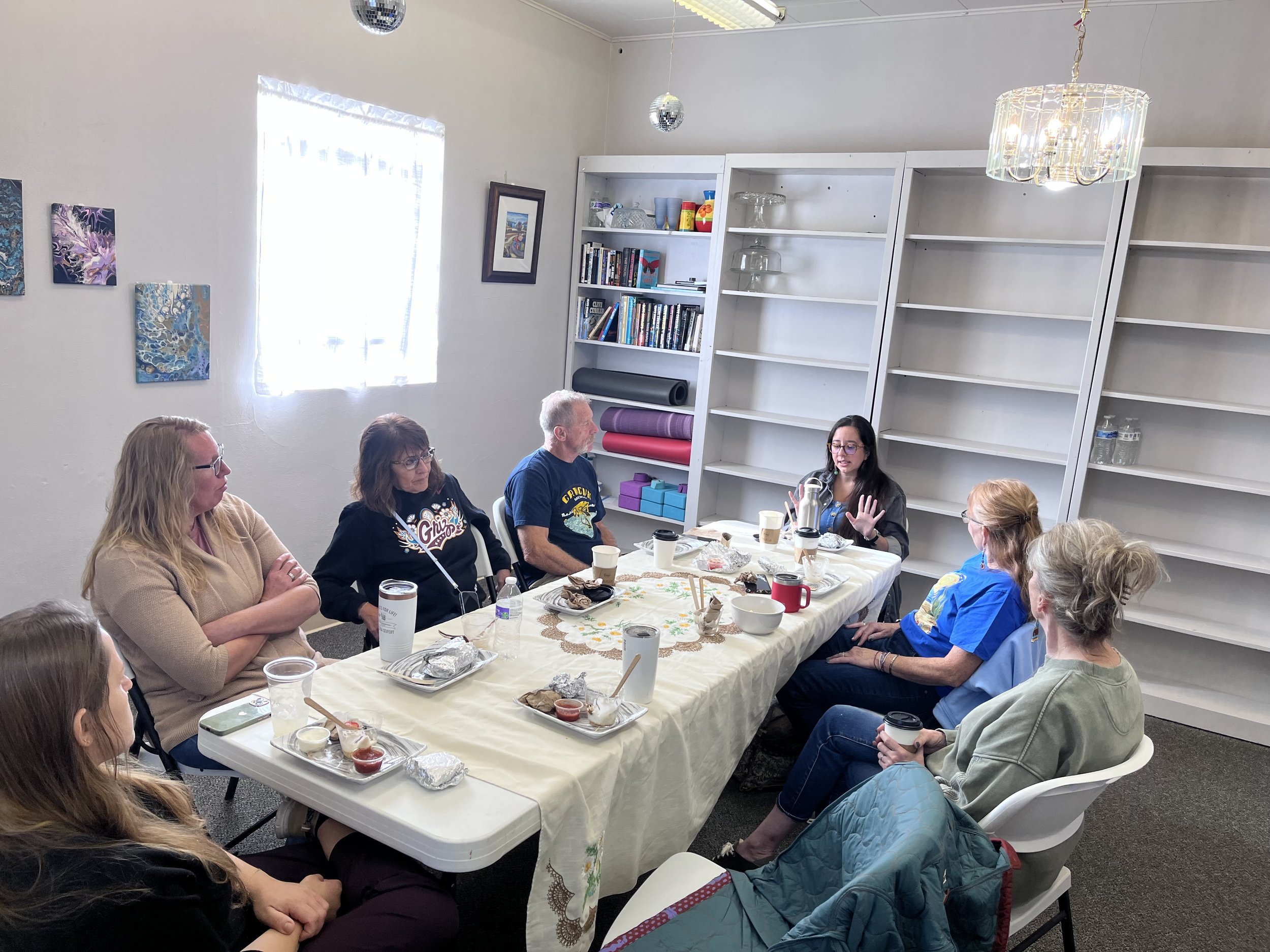
The homecoming game wasn’t the only thing going on in Cut Bank that night, however; it was also First Fridays, a program of Cultivate Cut Bank that features community art classes in a diverse range of media hosted all over the town. We visited a group of folks painting in the Marketplace on Main studio space, walked a few blocks to the high school to see a plant dye class in action, and then drove to the quilt shop across town where a rowdy group of sewists were creating holiday bunting. In between we saw public art projects, heard stories of the historic buildings, and understood the roles that the Cultivate Cut Bank team members played in these transformations over the past decade and beyond.
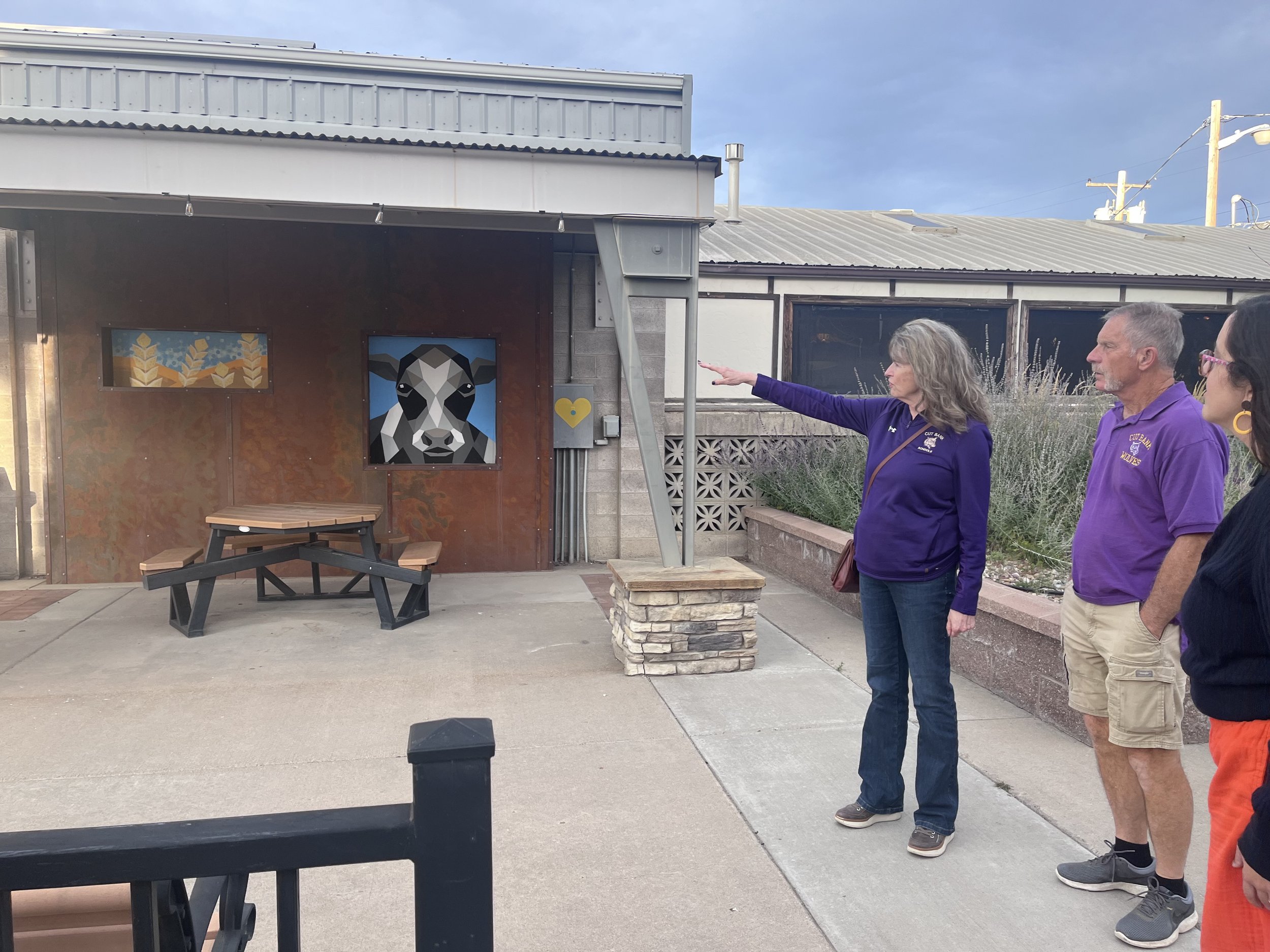
We ended our first day in Cut Bank at the local Elks Lodge, where we enjoyed dinner with the Cultivate Cut Bank team and toured the ballroom space where team member Rod Cline famously taught 100+ high schoolers how to dance the jitterbug before prom one year!
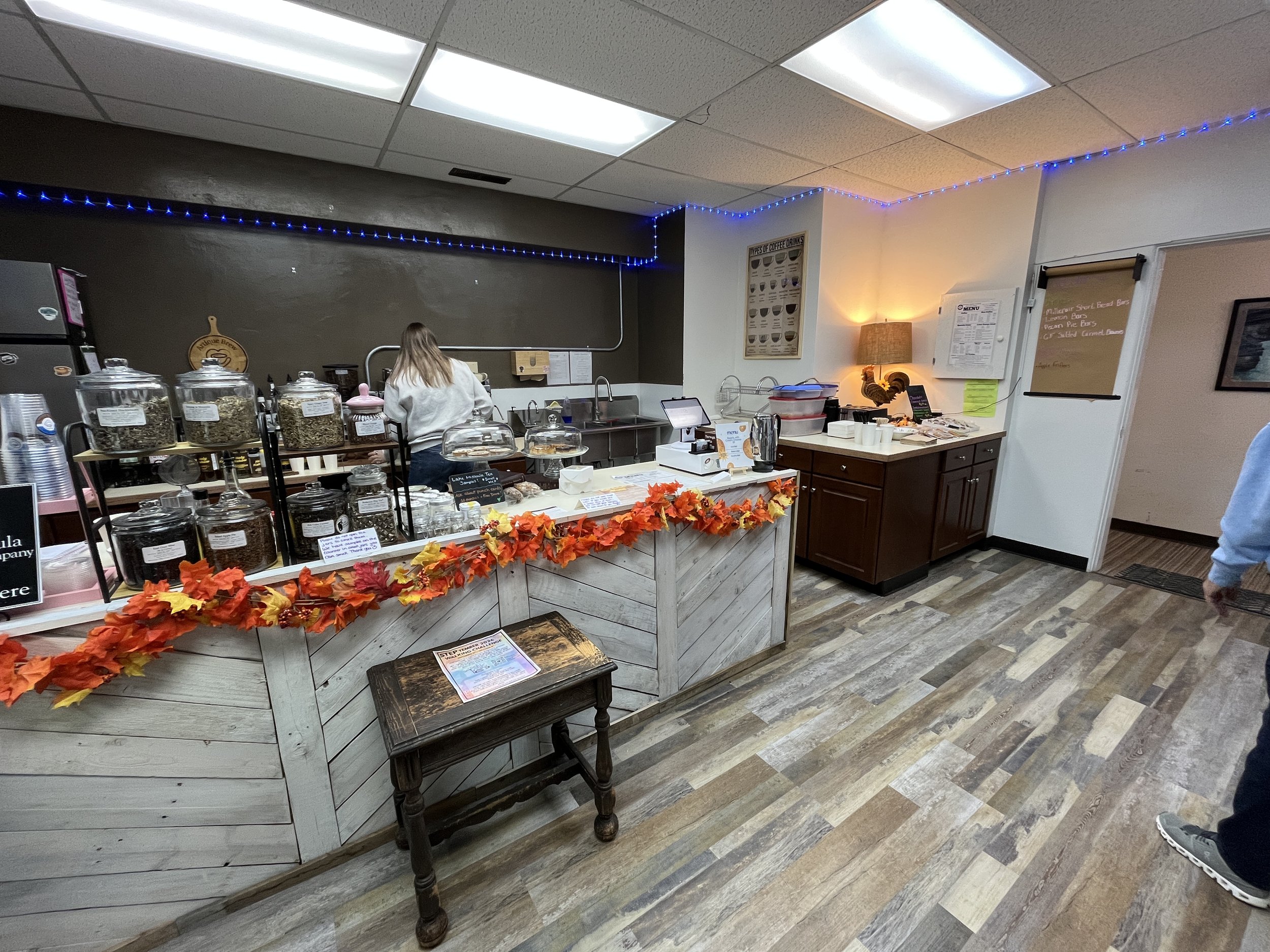
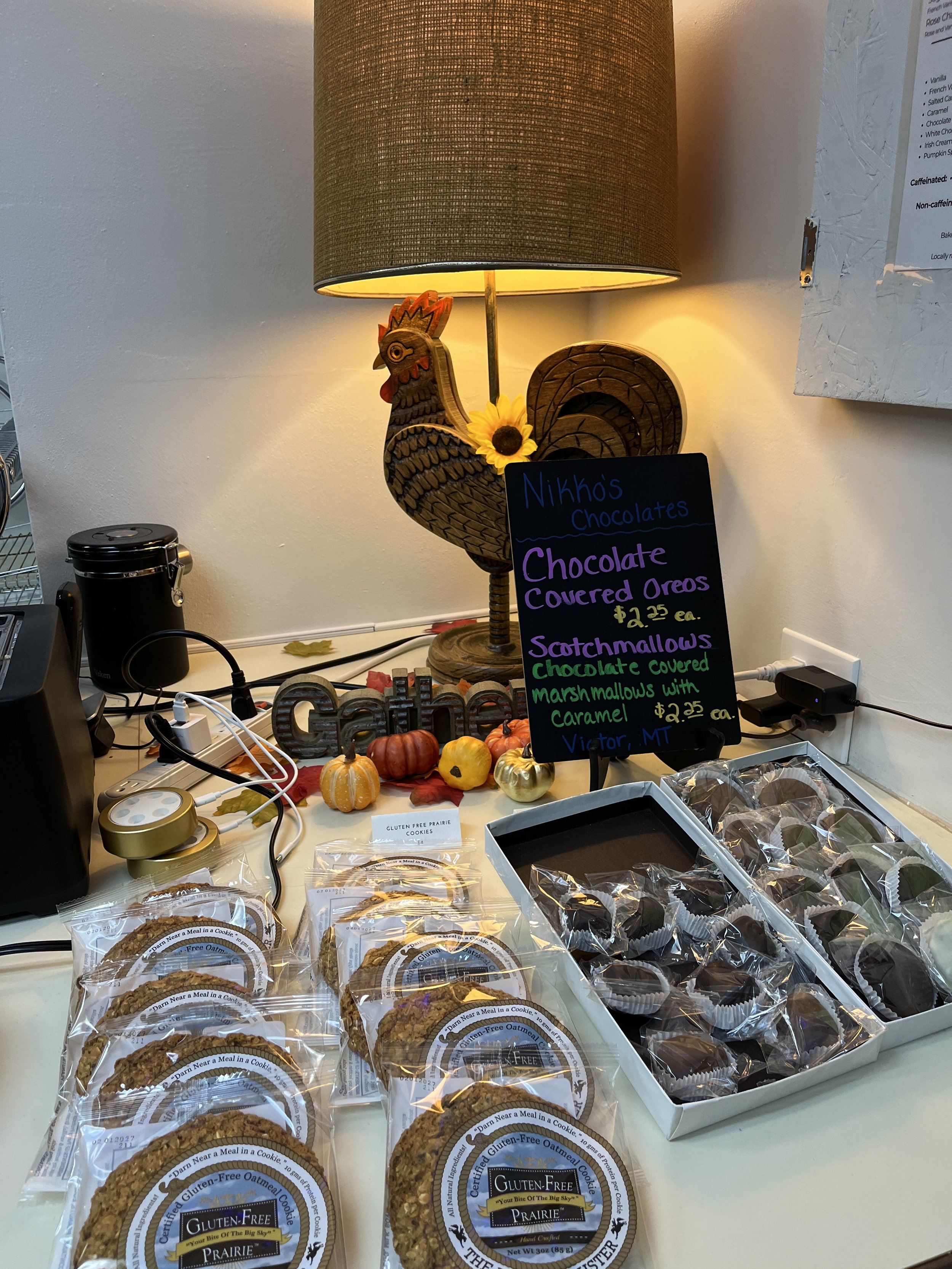
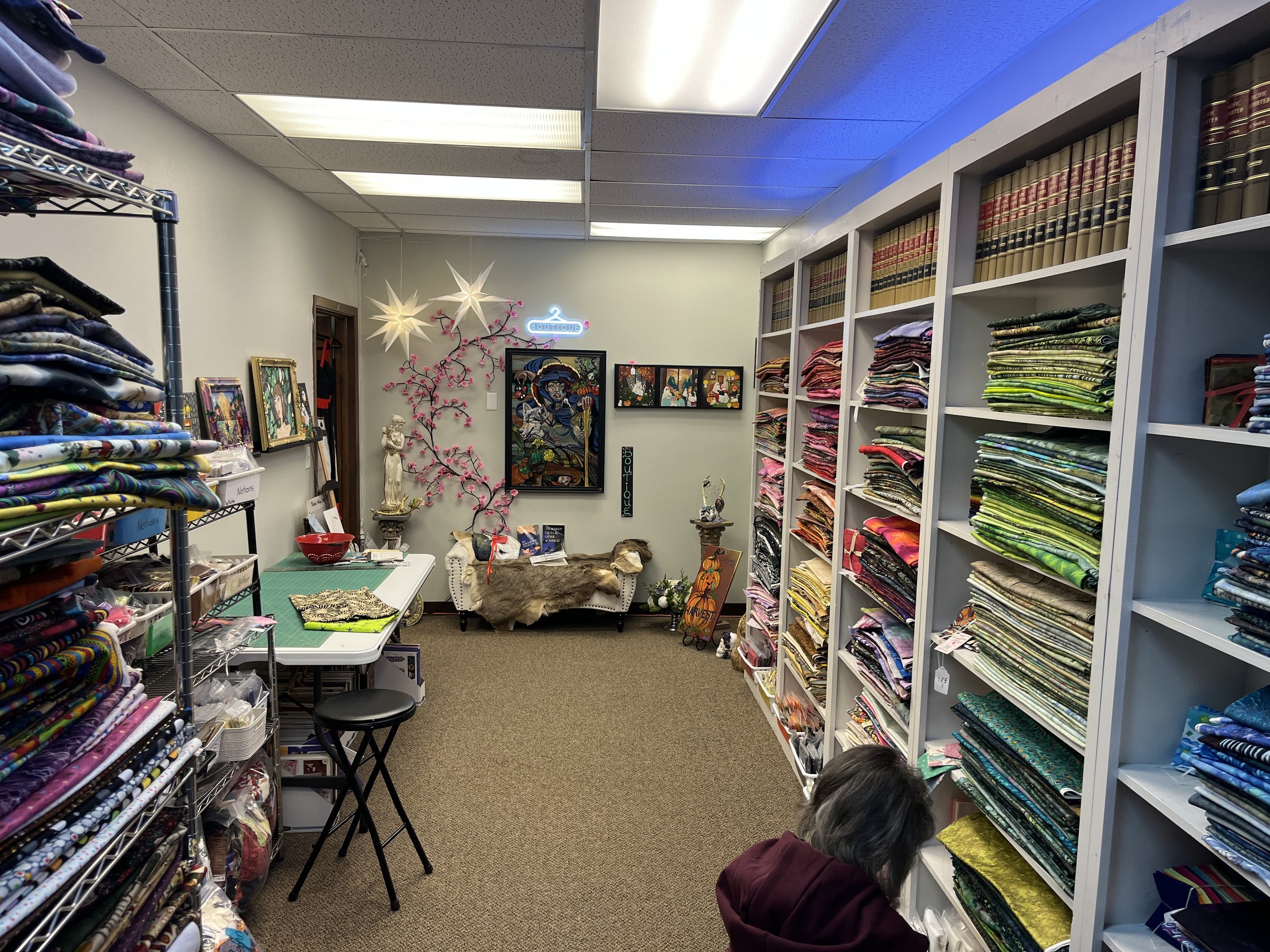
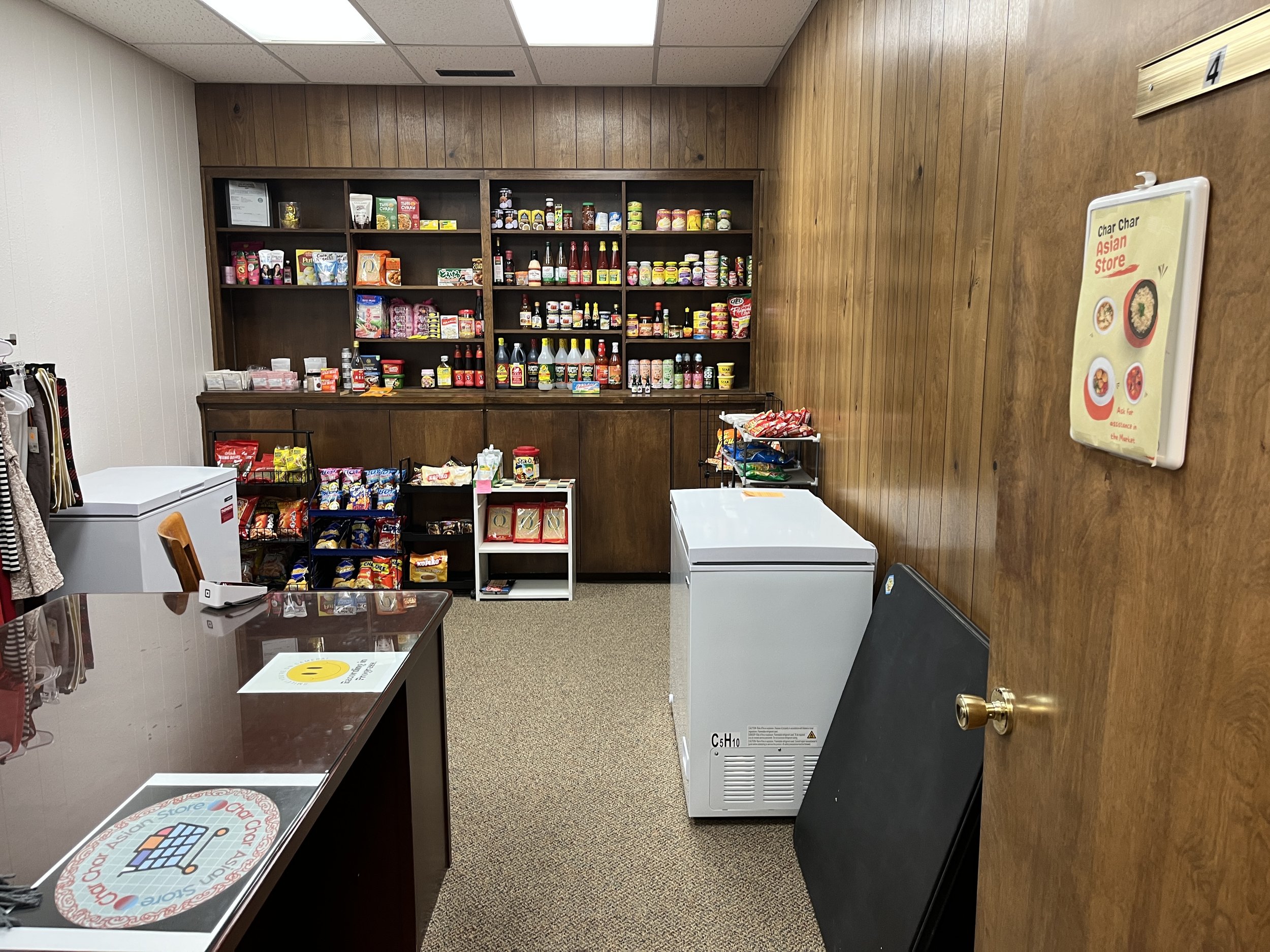
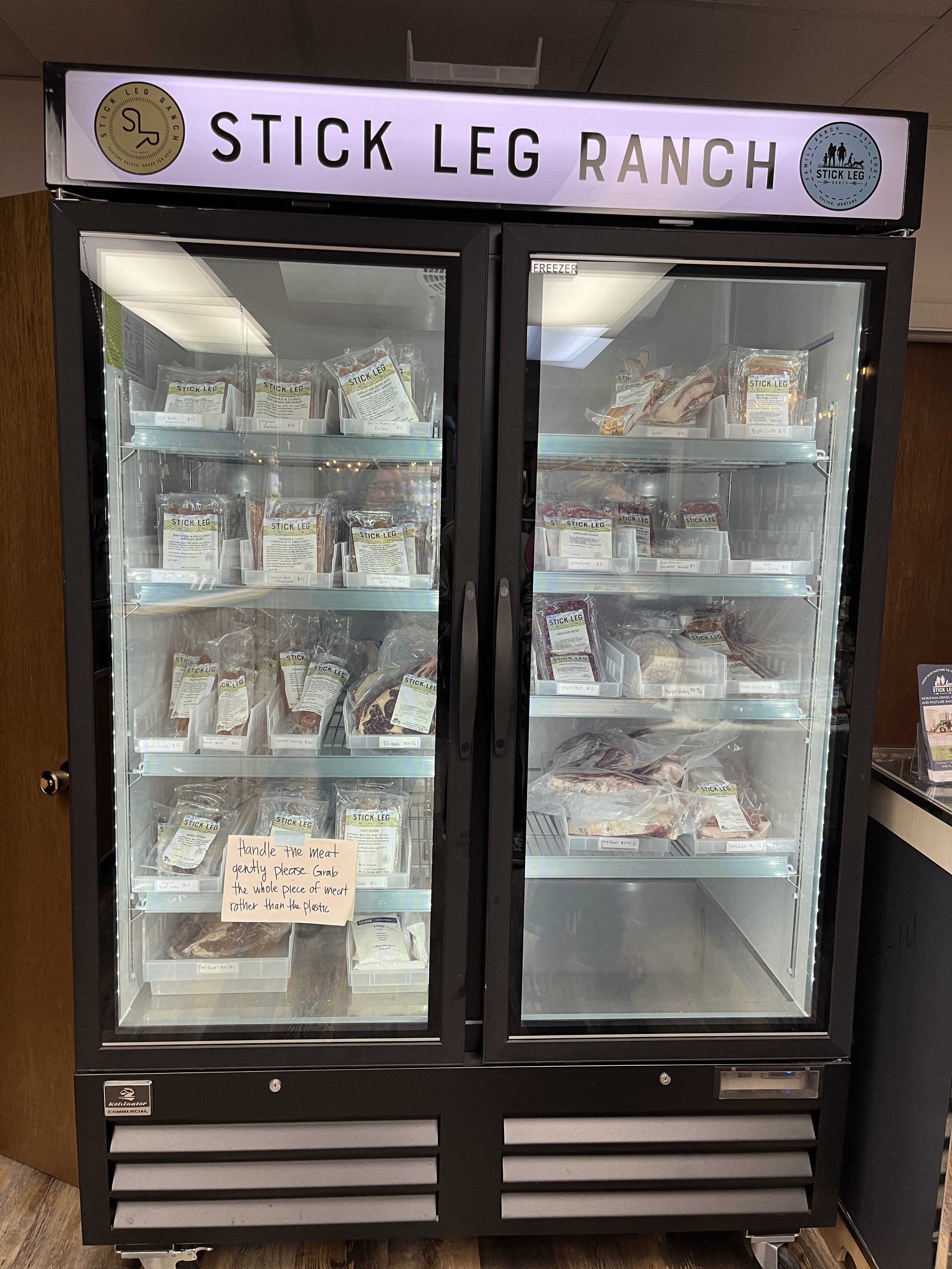
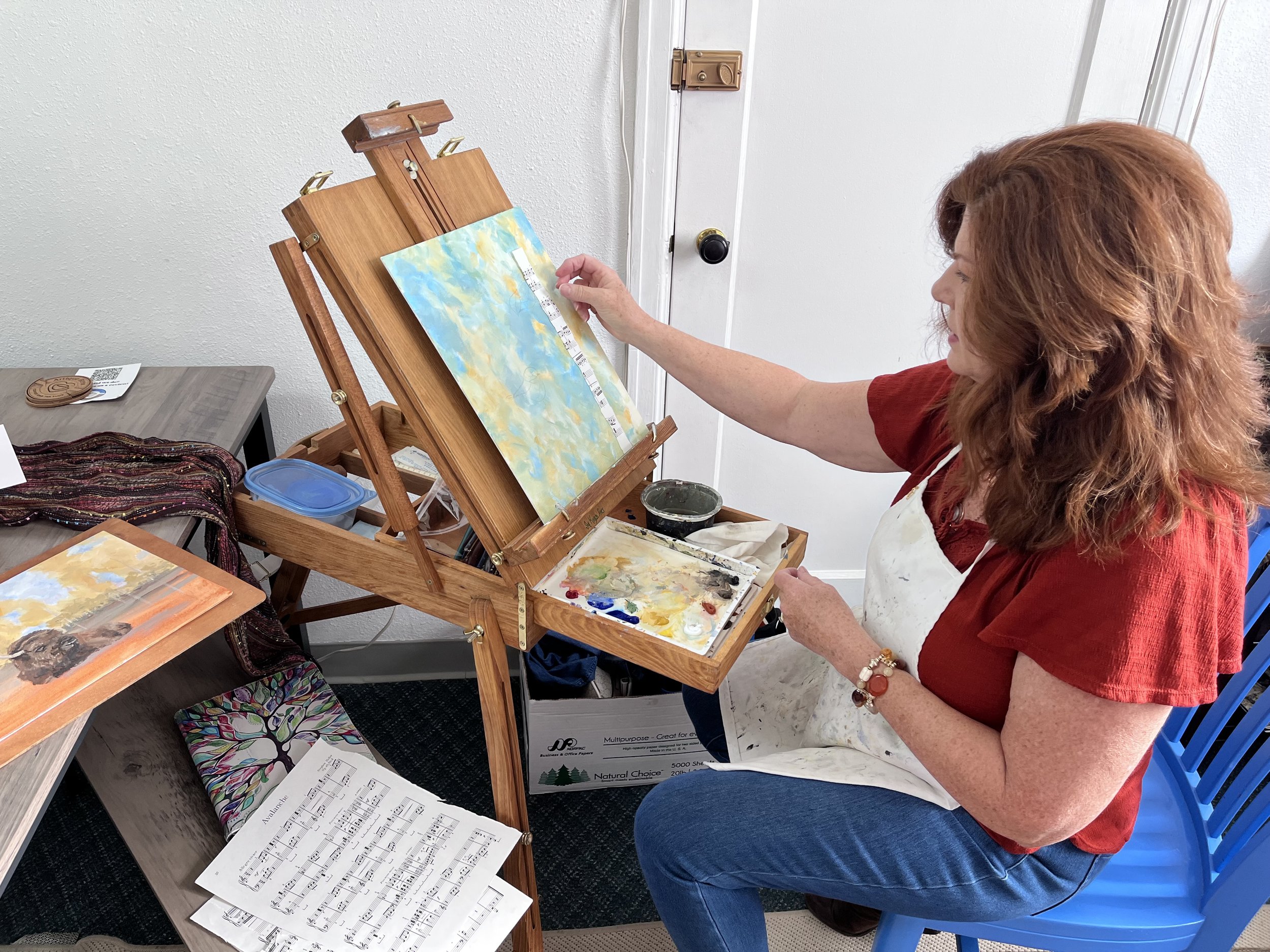
The next morning we reconvened with the Cultivate Cut Bank team and ate a delicious breakfast prepared by team member Arkaidy Wisniowska, who serves as executive director of Glacier County Economic Development and also operates her own cafe within the Marketplace on Main building. The building is large, with several different retail and meeting spaces bifurcated by a central hallway. As we meandered down the hallway, we kept discovering more! Artist Julie Korb was doing a painting demonstration in the gallery, the coffee shop was filling the place with its aromas, and the creative entrepreneurs who lease the retail spaces were opening for the day.
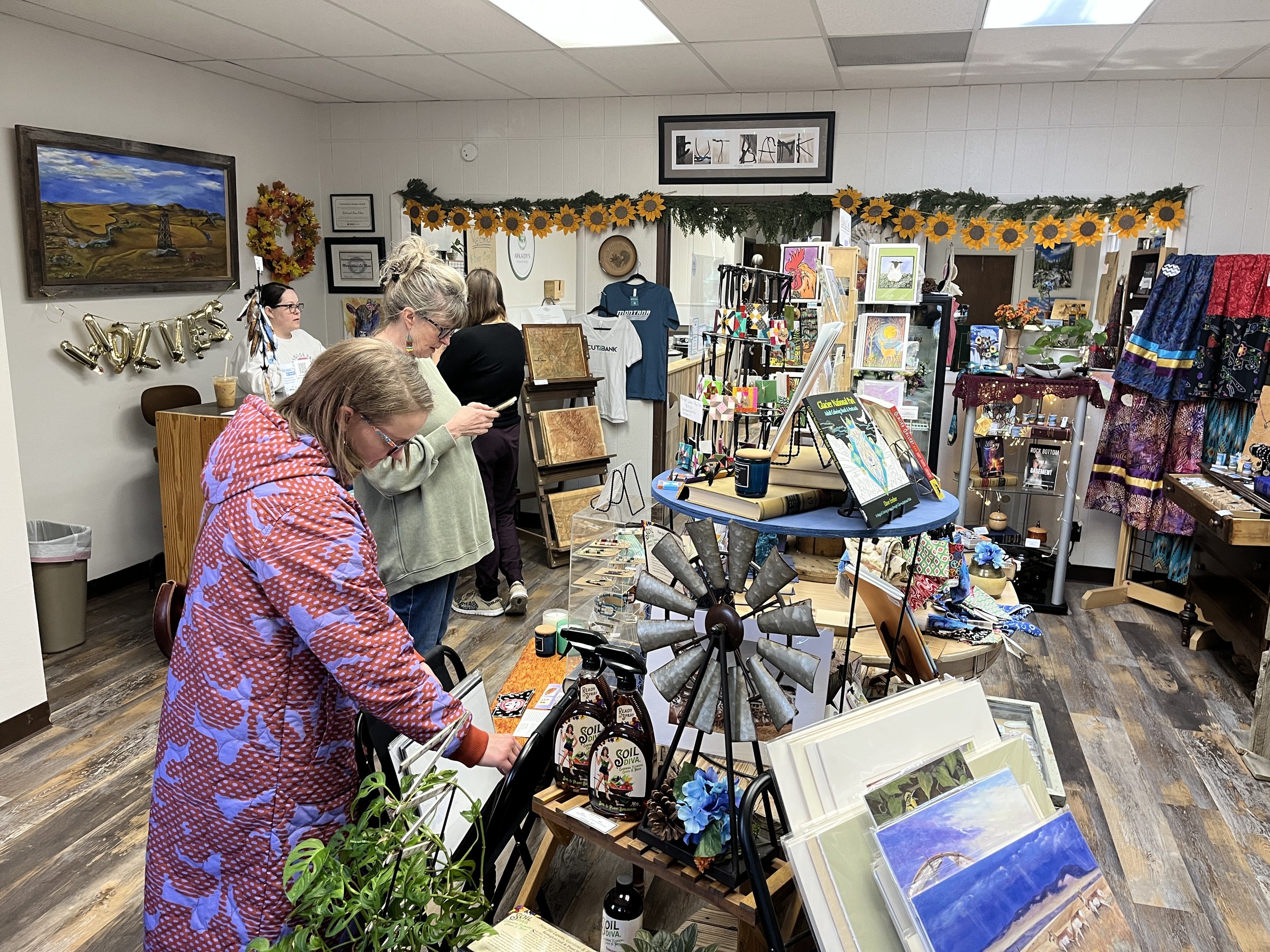
It was clear to see that the Marketplace building was much more than a physical space–it was an ecosystem where creative entrepreneurs can start a business or test an idea, and community members feel welcome to come in for coffee, take their lunch break, host a meeting, shop for gifts, and take an art class.
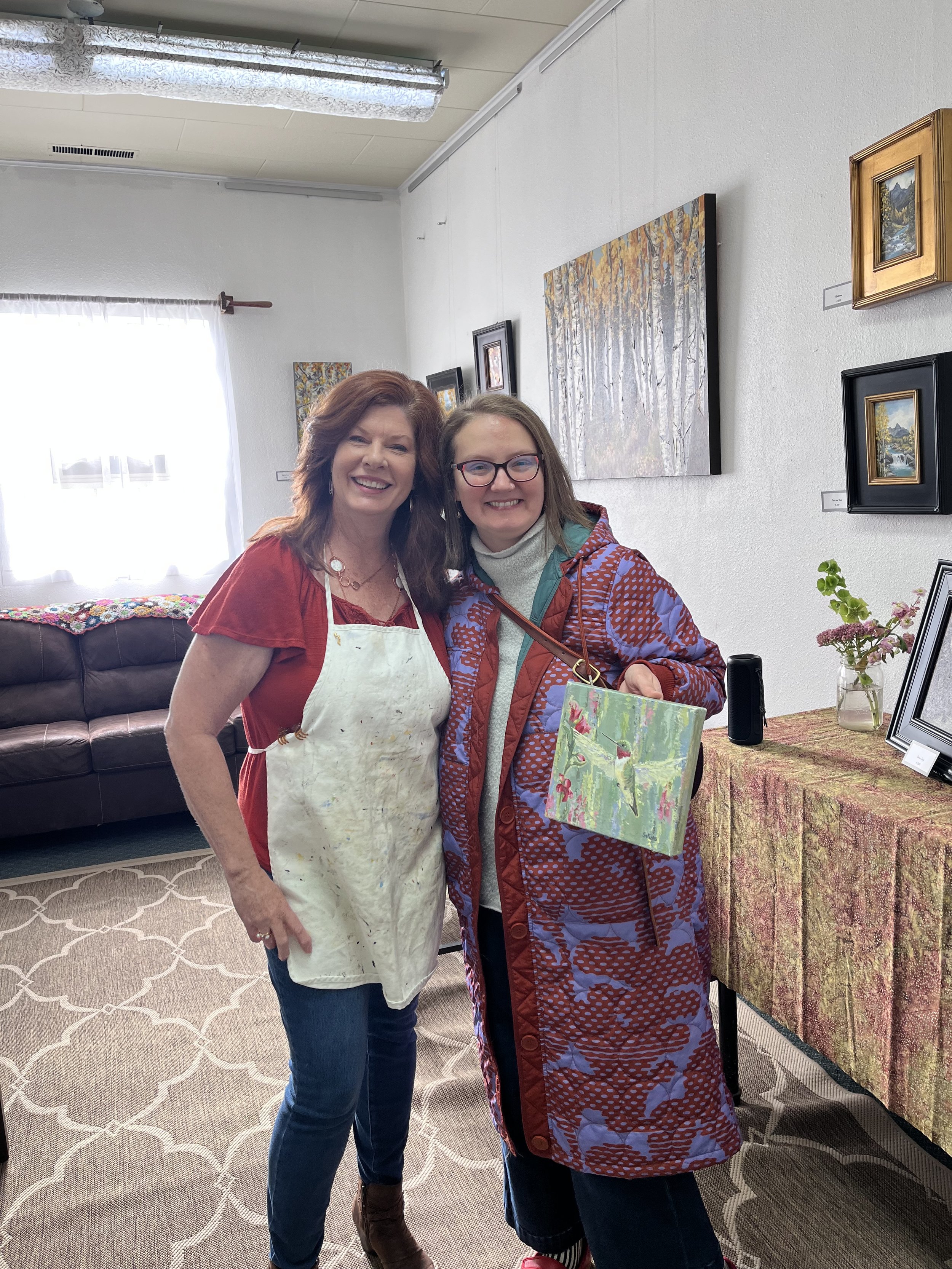
Thank you to the Cut Bank team for your hospitality, and for inspiring us with your community pride!
To learn more about the Cut Bank Marketplace on Main and Cultivate Cut Bank, visit their websites linked here.
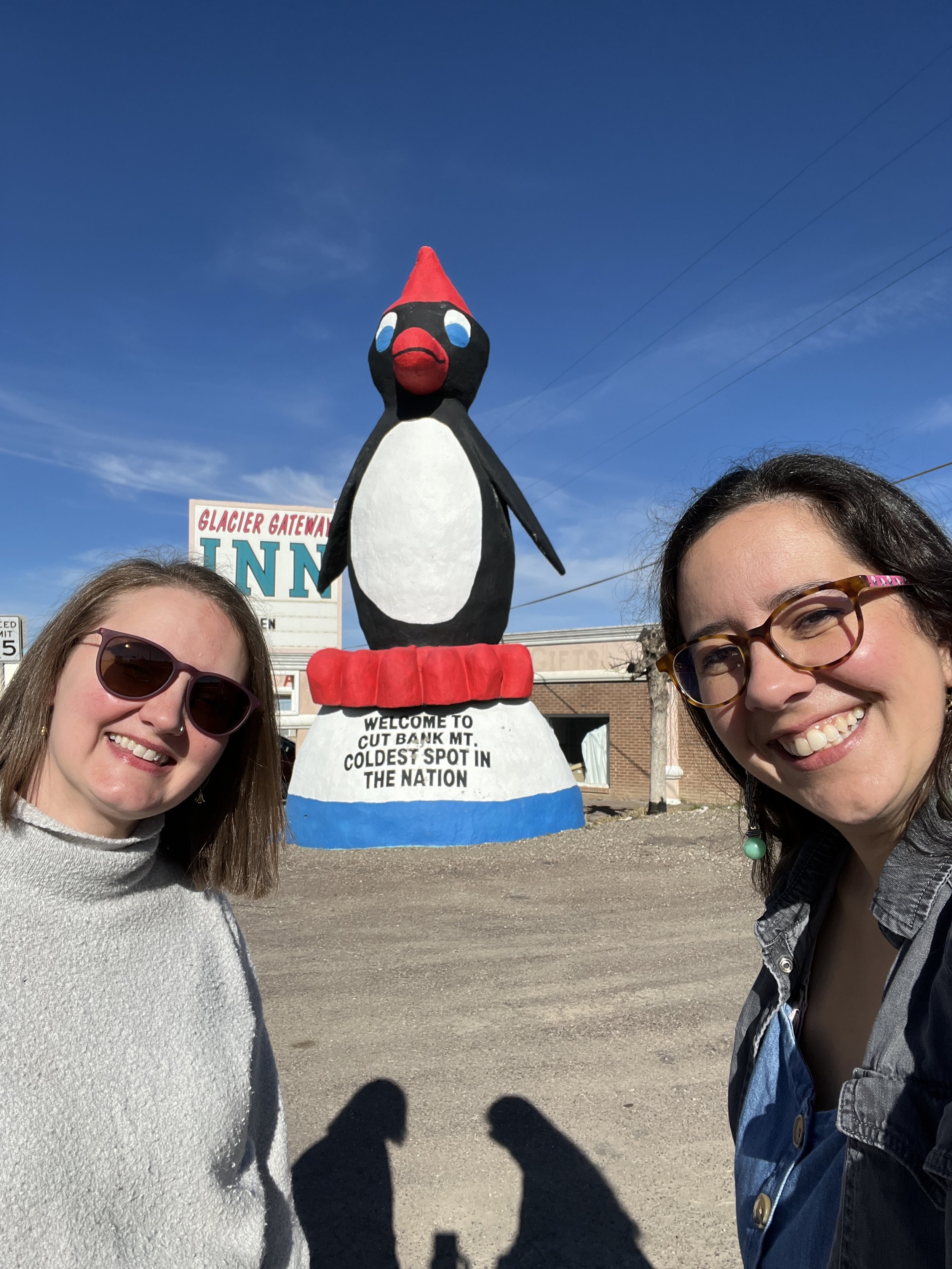
Before buckling up to get on the road south to Livingston, we had to stop with a selfie with the penguin of Cut Bank marking the coldest spot in the nation!
Saturday, October 4, 2026:
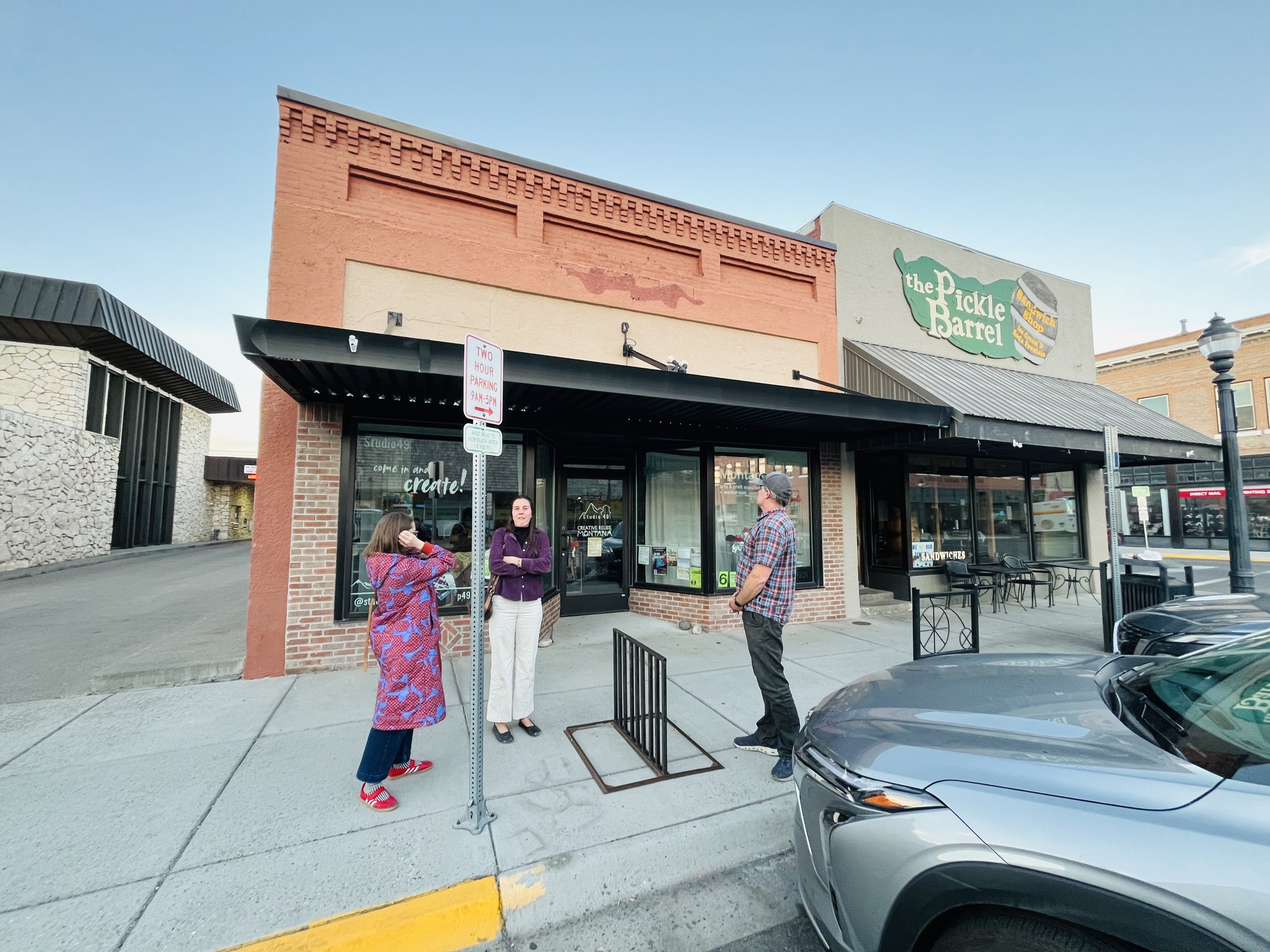
After leaving Cut Bank, we drove nearly five hours south to Livingston, and couldn’t wait to stretch our legs with the team at Project49.
We started our tour in downtown Livingston at Studio49, where the organization hosts youth and community classes. It was fun to see so many signs of creative work being done there–from visible mending to 3D printing to origami to finger painting!

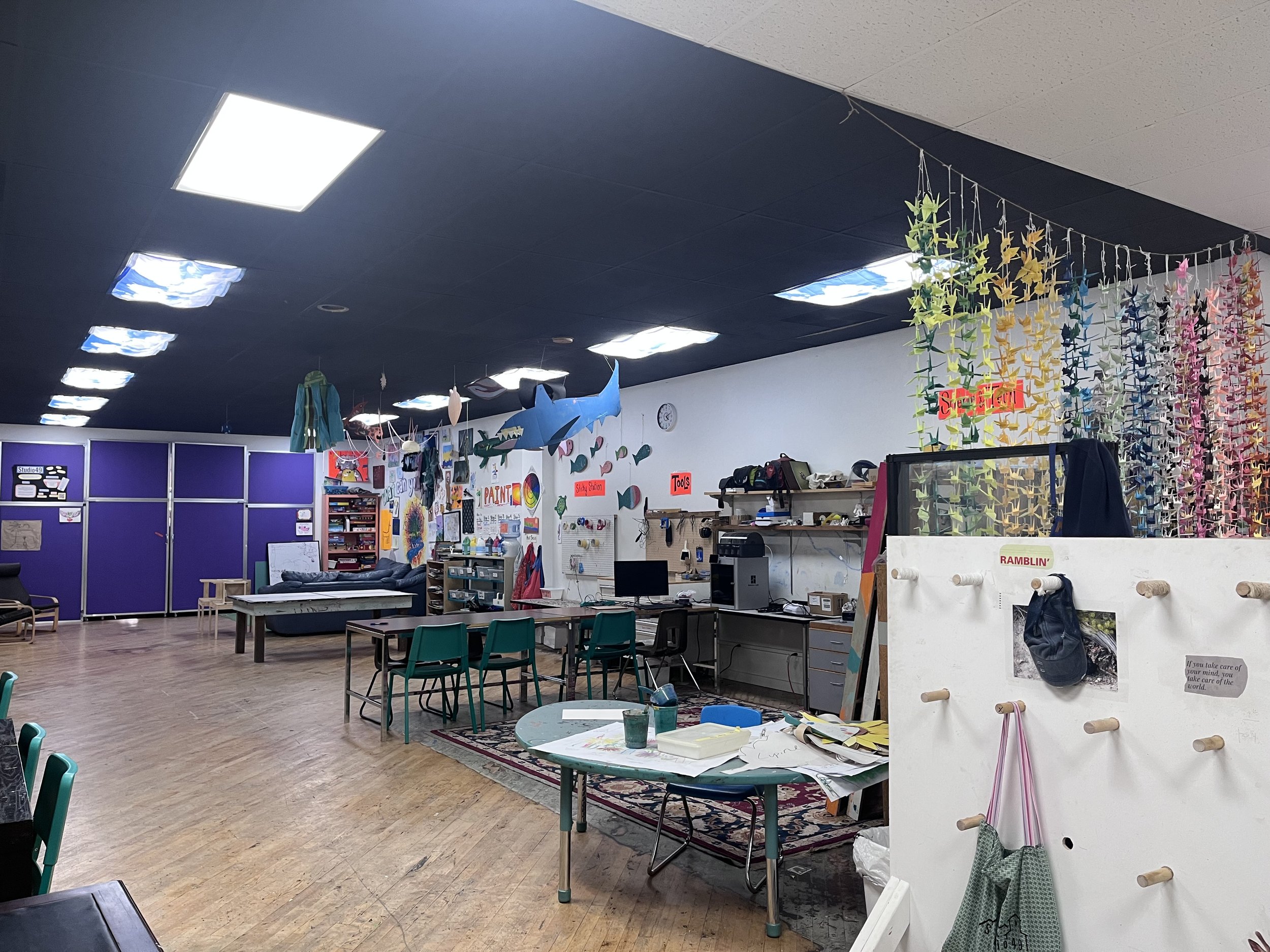
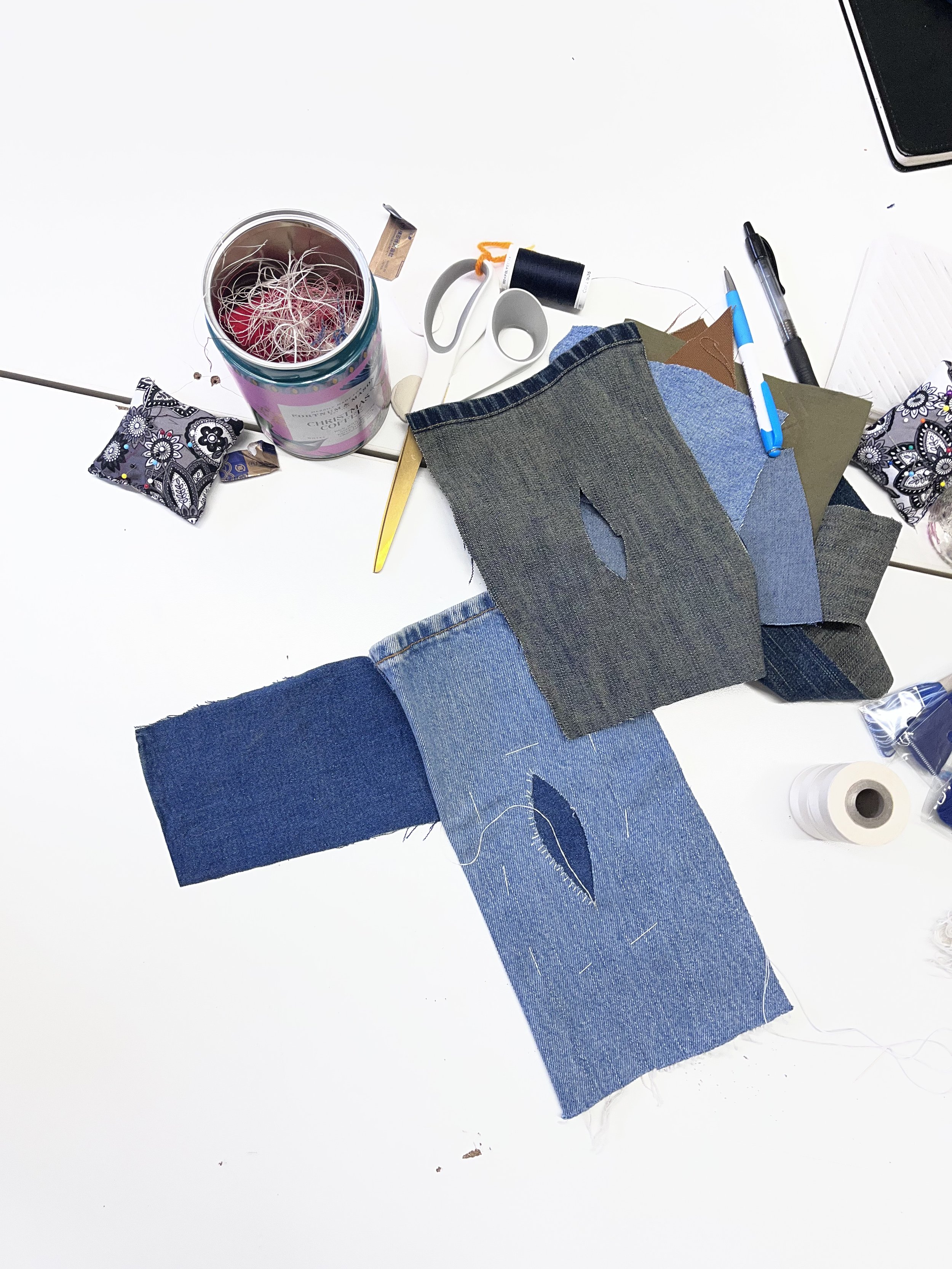
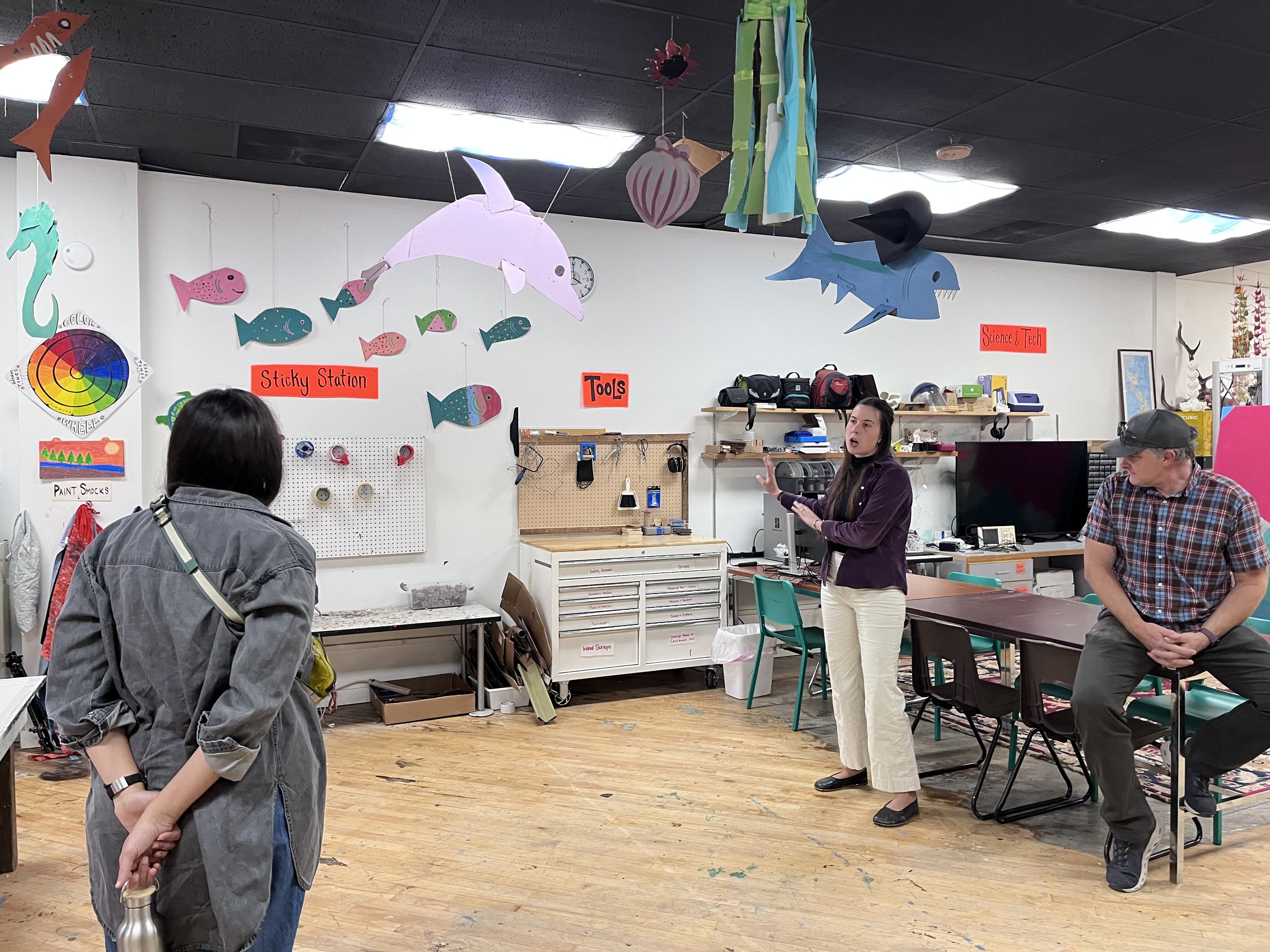
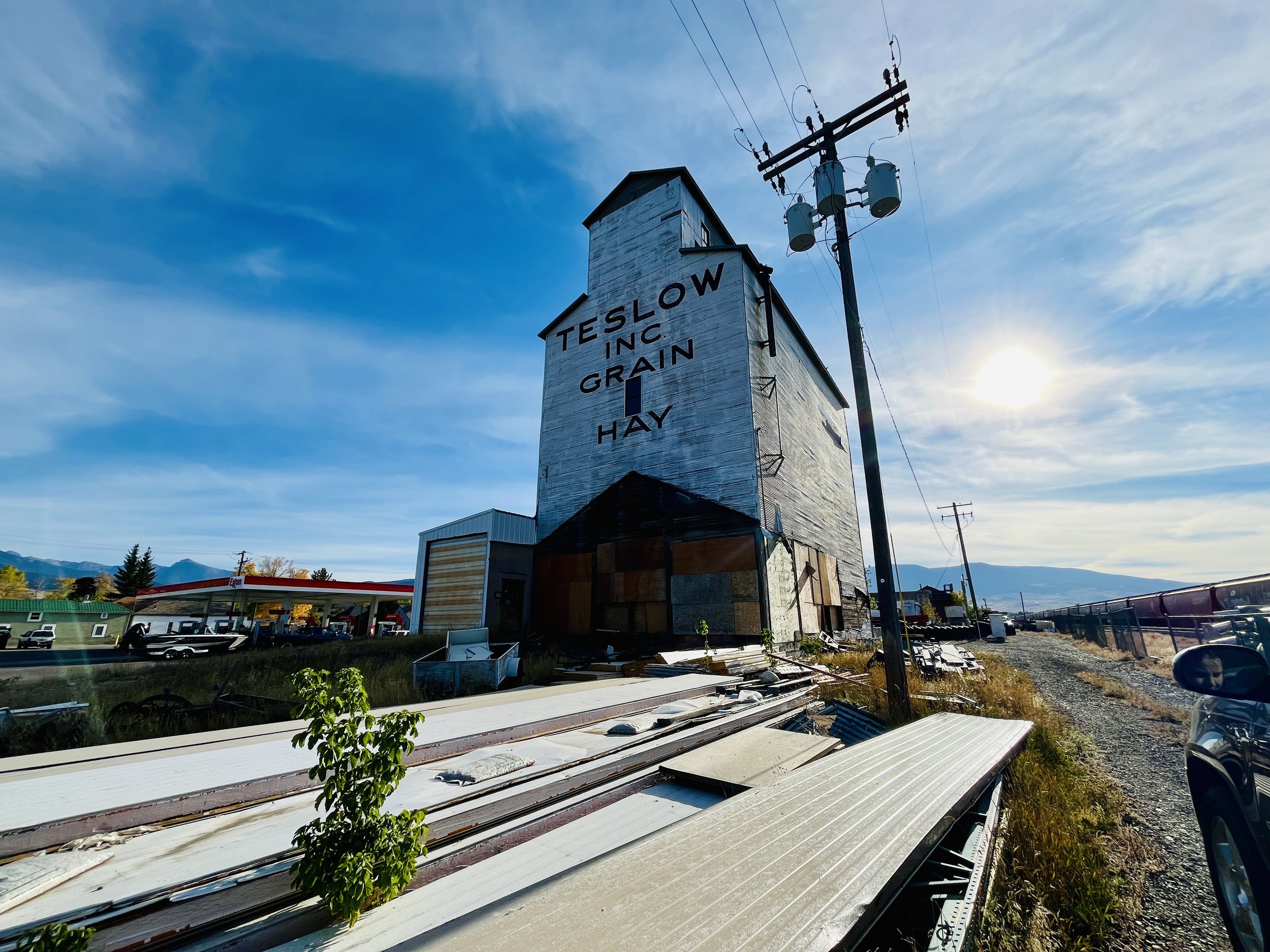
From Studio49 we ventured towards the railroad tracks to see the Teslow, a historic grain elevator building that the team at Project49 is restoring to become a community space.
We had to take a moment to appreciate the Teslow’s towering stature, and from inside we could see the scale of its restoration journey.
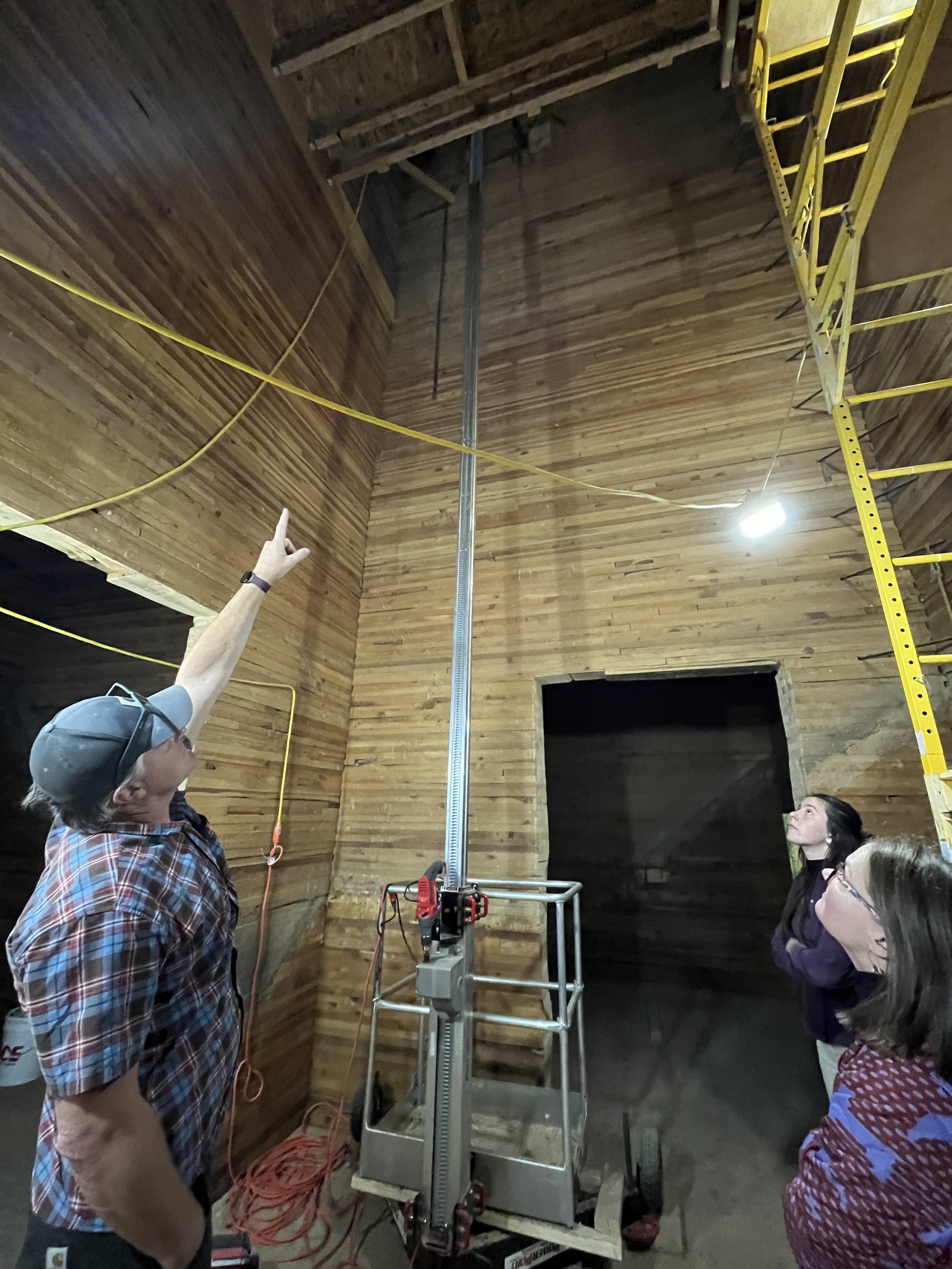
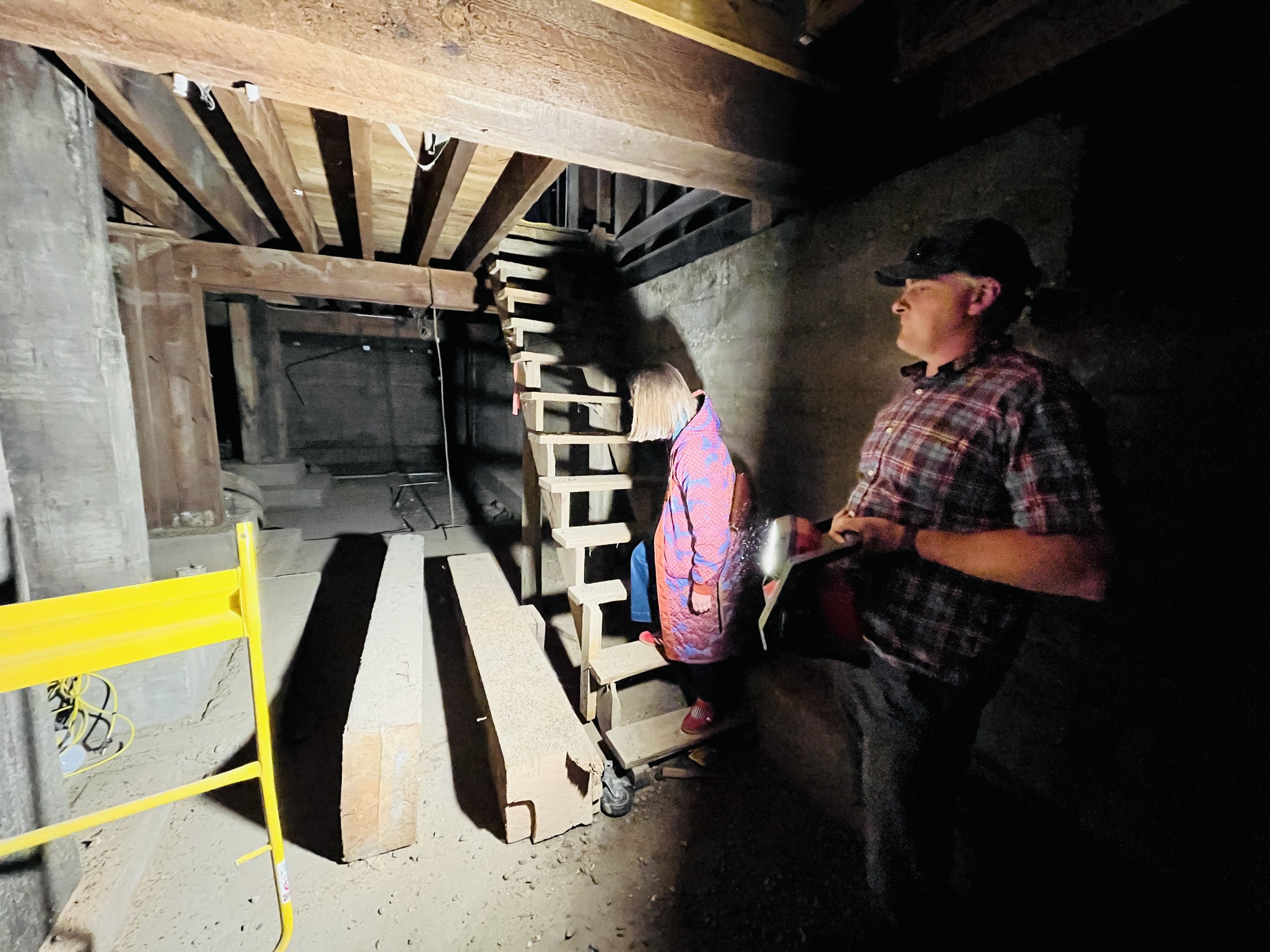
Project49 has been working on seeking historic designation, applying for grant support to stabilize the building, and upgrading the building’s structure as funding allows. It was impressive to see how much progress they had made and step into their vision of reusing such a specific type of agricultural building. Project49 was also selected as part of the Fieldwork cohort in June 2026, and will be working with their architectural team to develop design concepts for the space.
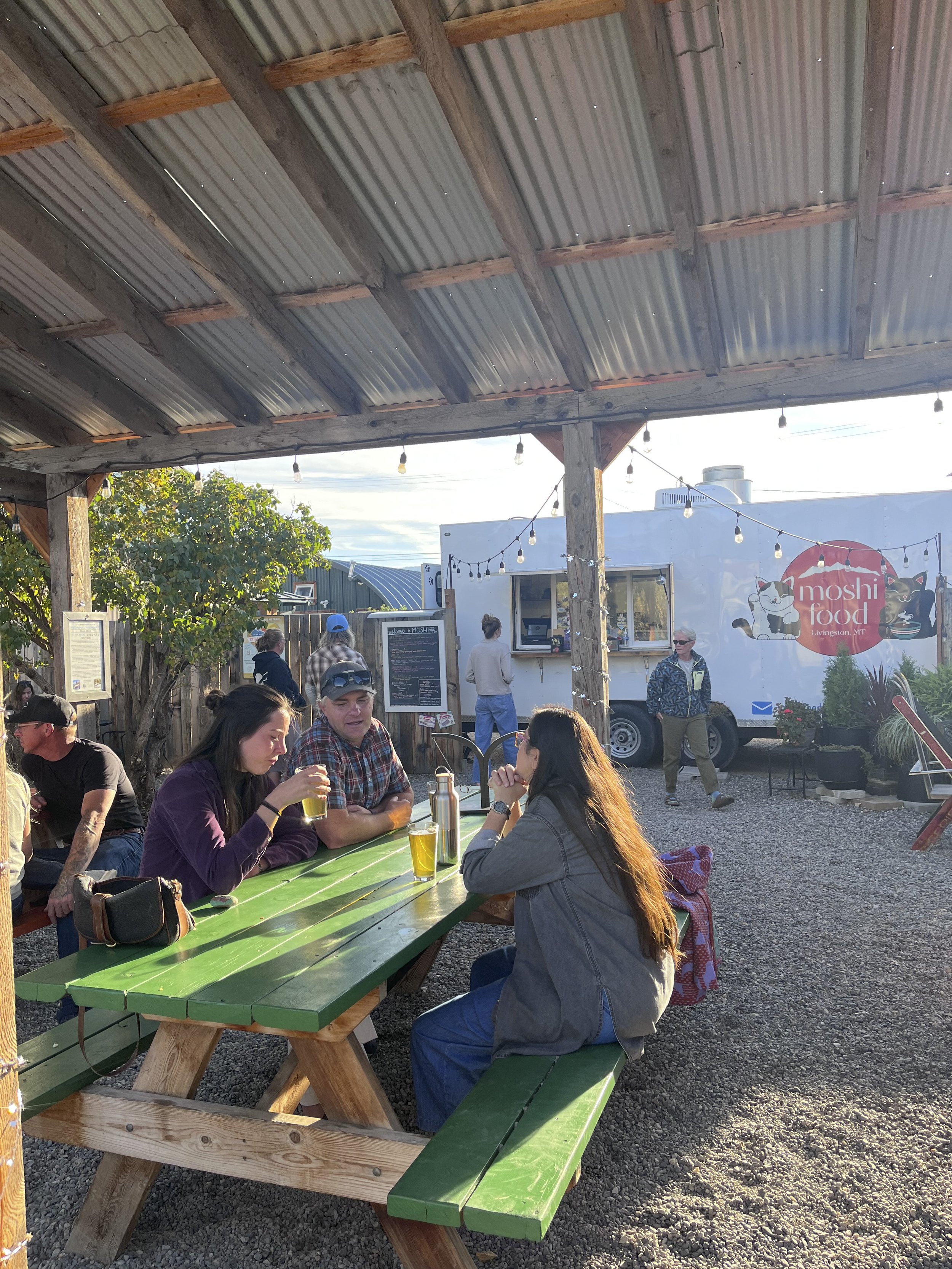
We stomped the dust off our shoes and left the Teslow for a relaxing outdoor
dinner in the courtyard of a local brewery.
Over fried tofu and noodle soups we chatted about the benefits and constraints of operating in Livingston, a town with a unique economic history and an interesting present moment of regional growth. An influx of wealth has this small town thinking about what gentrification looks like in a rural place, and what they can do locally to sustain their community’s identity while still being open to newcomers.
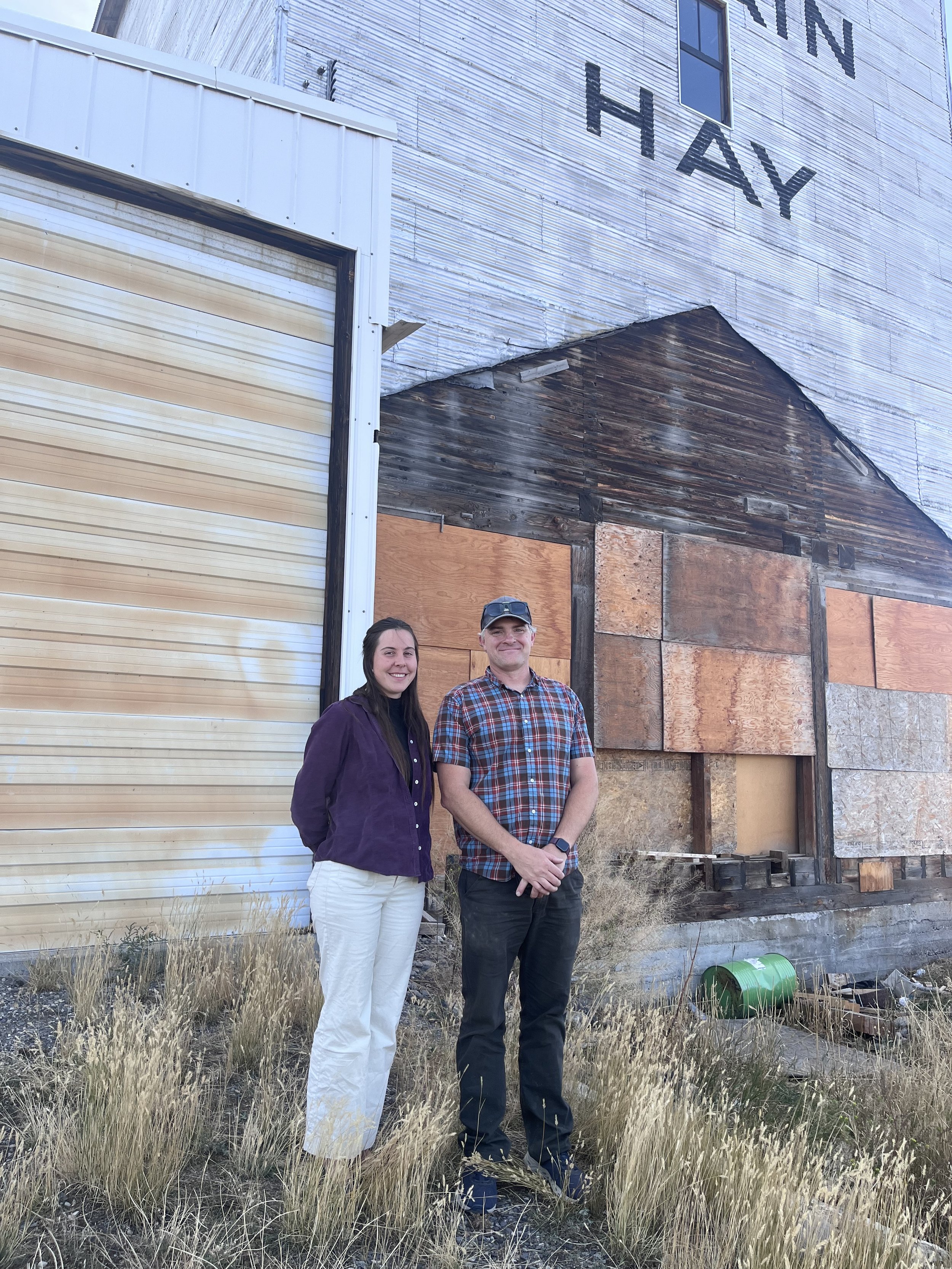
Thank you to Lillian and Josh for taking the time to show us your community and its beloved places.
Thank you to our hosts and partners for taking the time to show us your beloved places.
Department of Public Transformation (DoPT) believes in working with artists, cultural workers, and connectors to strengthen rural places by supporting the role of community assets—social, cultural, and built—as a lens to help communities investigate and celebrate their collective story: past, present, and future. Activate Rural supports third places, creative space use, and building activation projects—art galleries and cultural centers, creative coffee shops and taprooms, theaters, artist studios, performance and event venues, multi-use creative places, and more—that inspire, motivate, and open up possibilities for rural communities.